Is Facial Good For The Face Or Not?
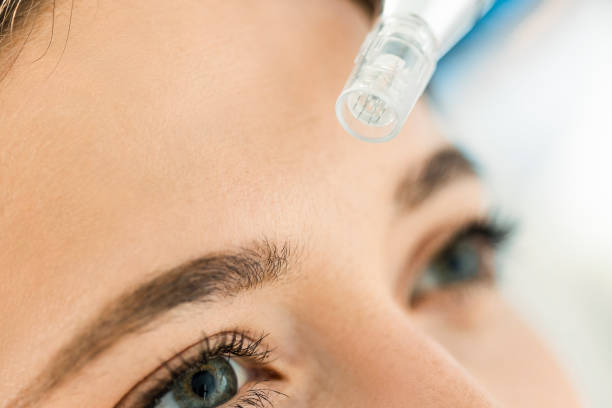
The question: “Is facial good for the face or not?” I get asked all the time in clinic, and after nearly two decades working hands on with all sorts of skin types and conditions, I can give you a pretty straightforward answer right off the bat: yes, facials can be really beneficial for your face – as long as they’re tailored, done gently, and by someone who actually knows how skin works. The real secret isn’t in the fancy marketing promises but in understanding your individual skin biology and choosing treatments that play nice with it rather than stressing it out.
Why Skin Responds To Professional Care
Your skin is an amazing living organ that thrives when circulation increases, the lymphatic system drains toxins, and cell renewal occurs in a healthy way without being forced. When I put together a facial for someone, I consider their skin type, the extent of sun damage, hydration levels, the causes of pigmentation, and their daily skincare routine.
A good facial supports your body’s natural collagen production and improves elasticity through massage, deep cleansing, and the right active ingredients at the right time. Apparently, in 2026, some data from the global skincare industry showed that getting regular facials boosted hydration markers by up to 32% after just four weeks – especially when combined with at-home serums like hyaluronic acid or vitamin B3.
What Happens to Your Skin During Treatment
A good facial works on a few different levels: the top layer (getting rid of all the crap that’s clogging you up and slapping on some hydrating masks), the middle layer (getting the blood flowing, supporting your lymphatic system) and the nervous system (calming you down and making everything feel good).
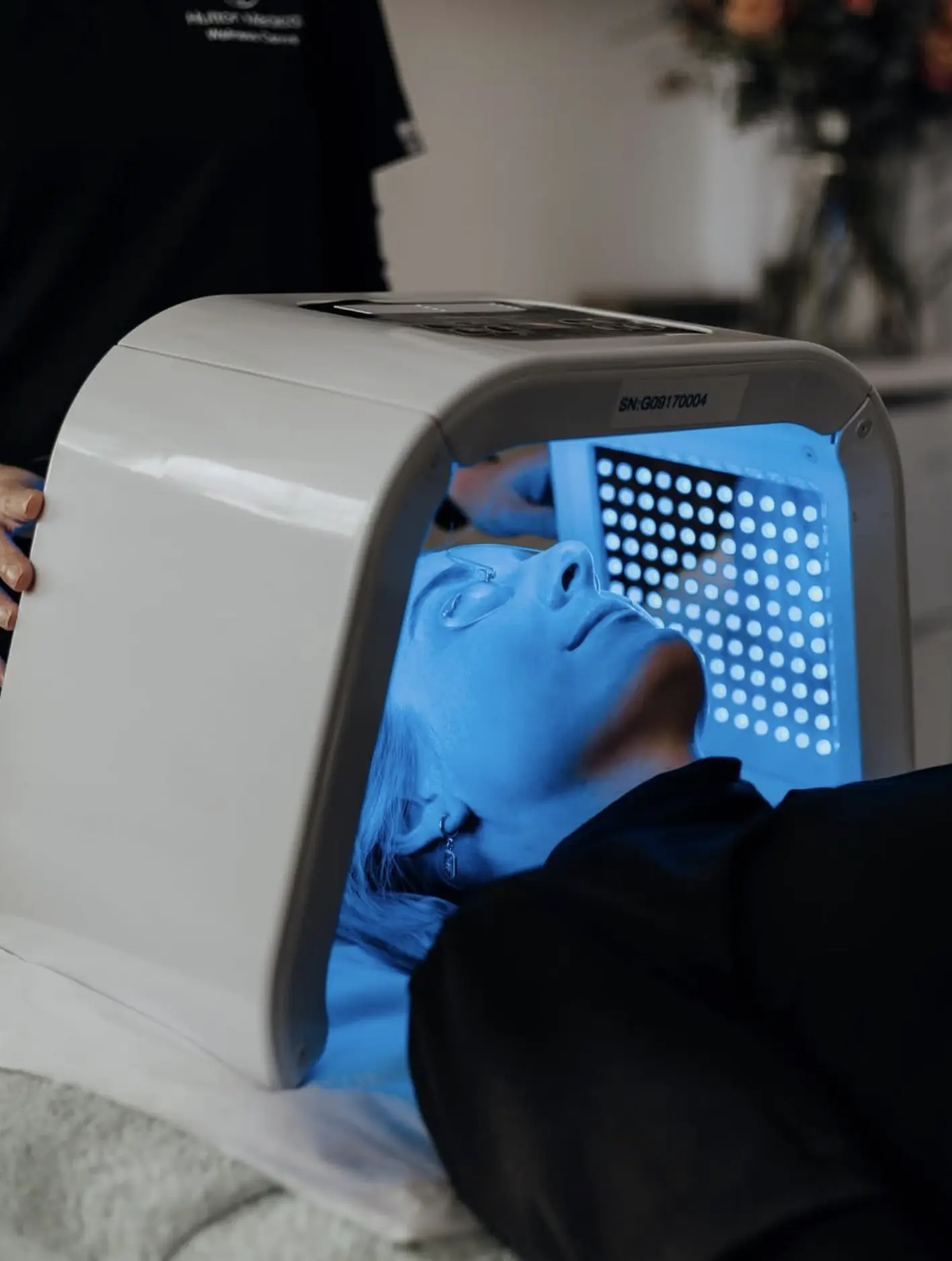
Every little bit counts – the way I massage, the masks I use, the lights I apply all have a specific purpose. LED light can give a collagen boost, oxygen facials brighten things up a bit, infrared light calms down the inflammation, enzyme exfoliation gets rid of dead skin without the damage of harsh chemical peels or over-zealous scrubs, and manual extractions just clear out your pores safely without messing with your skin tone or barrier function.
The Real Benefits of Professional Care
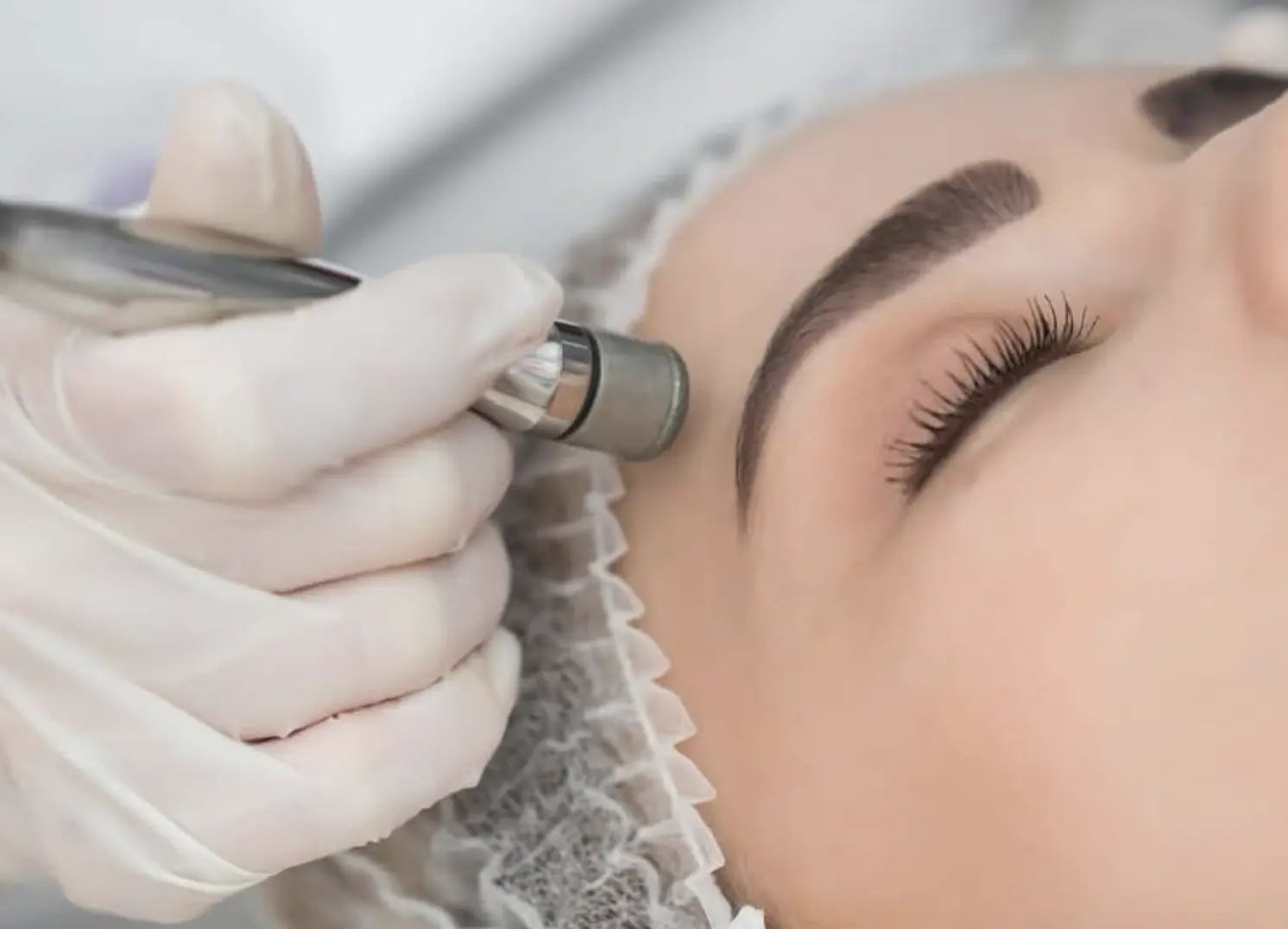
Professional care for your skin does so much more than your average at-home products – it provides a deeper cleanse, carefully targeted active ingredients and actually gets your skin seen to by human hands, which is a big difference to just slapping some stuff on and hoping for the best. It also gives you a clearer idea of your skin type, so every treatment isn’t just a guess but is tailored to your specific skin.
Deep Cleansing That Actually Works
Most people have no idea how much gunk builds up in their pores – sunscreen, pollution, sweat, sebum, all that stuff. In Brisbane, we’re talking about a daily sticky situation, and it’s different for every skin type.
When we perform a deep clean here, we use pH-balanced, safe products and manually remove all residue without disrupting your skin. When we’re done, your skin tone looks brighter, and your pores feel like they are breathing for the first time.
Something to consider if you’re still recovering from a cosmetic tattoo: booking a facial at Cosmetic Tattooing Brisbane ensures the treatment is adjusted to avoid irritating your skin.
Manual And Enzyme Exfoliation That Doesn’t Overstrip
Now I’ve seen my fair share of harsh acid peels at home that people have done without a clue – glycolic acid or lactic acid – they’re like a nuclear bomb to your skin. Instead, I use gentle fruit enzymes and lighter options, such as careful doses of salicylic acid, when it makes sense for your skin concerns.
This is really important stuff for people with sensitive skin or when they’re pregnant or hormonal – it just won’t do to over-exfoliate their skin. And let’s be honest, all those at-home peels and witch hazel wipes can be just as bad.
Hydration Support — A Game-Changer In Queensland
Brisbane is hot, wet and sunburnt – it’s a skin nightmare. Water just evaporates off your skin. Professional facials are like giving your skin a massage with a product that actually retains moisture. We use hydrating masks, hyaluronic acid, and other soothing ingredients to keep the good stuff locked in.
When your skin gets the hydration it needs, it becomes plumper and smoother, and you see fewer fine lines and a bit more elasticity, especially when you add oxygen facials or LED treatments.
Circulation And Lymphatic Boost
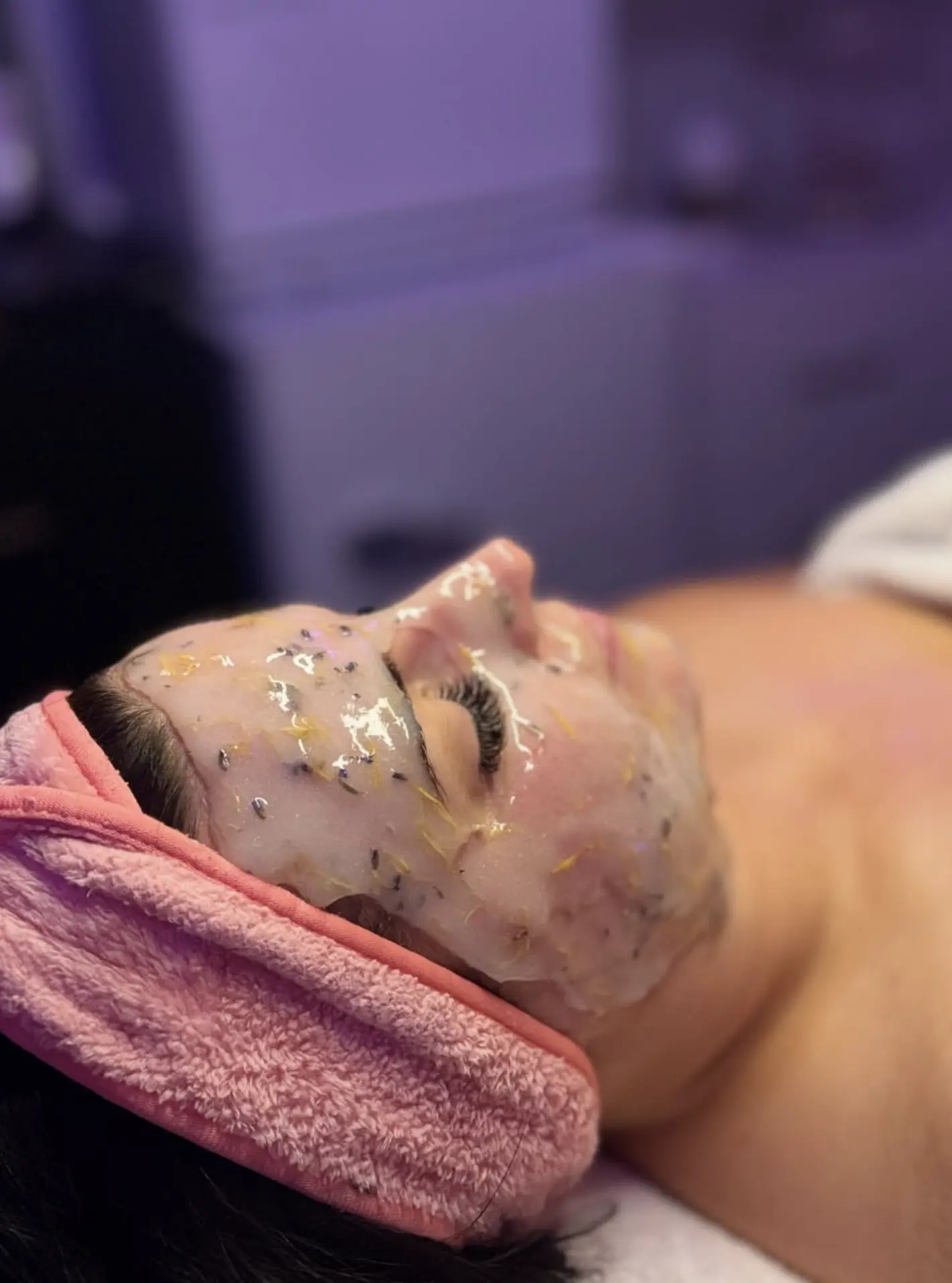
Facial massage is amazing for getting the blood flowing and getting your lymphatic system moving – both of which are essential to healing.
I was reading this study a while back, and it found that facial massage can boost microcirculation by up to 24% – that’s impressive. And I know heaps of clients that swear by the relaxing facials at The Facial Hub – it’s the first time their skin and nervous system have been calm in ages.
Emotional Reset
Let’s be real, when your nervous system is all stressed out, your skin suffers big time. Breakouts, redness – it’s all part of the stress package. A calm space, some slow breathwork and a bit of TLC – that’s what gets your cortisol levels down and your skin to start looking like its best self.
Quick Table: What Different Facial Types Actually Do
| Facial Type | Best For | What It Targets | Typical Frequency |
|---|---|---|---|
| Hydration Facial | Dry or dehydrated skin types | Barrier repair, moisture balance, hyaluronic acid infusion | Every 3–4 weeks |
| Deep-Cleansing Facial | Congested or oily skin | Blocked pores, oil and dirt buildup, manual extractions | Every 4 weeks |
| Anti-Ageing Facial | Dullness, fine lines | Collagen production, LED light therapy, and circulation | Every 4–6 weeks |
| Sensitive-Skin Facial | Redness or irritation | Inflammation, barrier repair, and gentle active ingredients | Every 3–4 weeks |
| Brightening Facial | Uneven skin tone | Vitamin B3, lactic acid, oxygen facials | Every 4 weeks |
When Treatments Aren’t Good for Your Skin
The good news about facials is that they’re generally safe as long as they’re done by someone who actually knows what they’re doing – a trained skin care expert. But there are times when a treatment just isn’t going to cut it.
Over-Exfoliation Is Still The Biggest Culprit
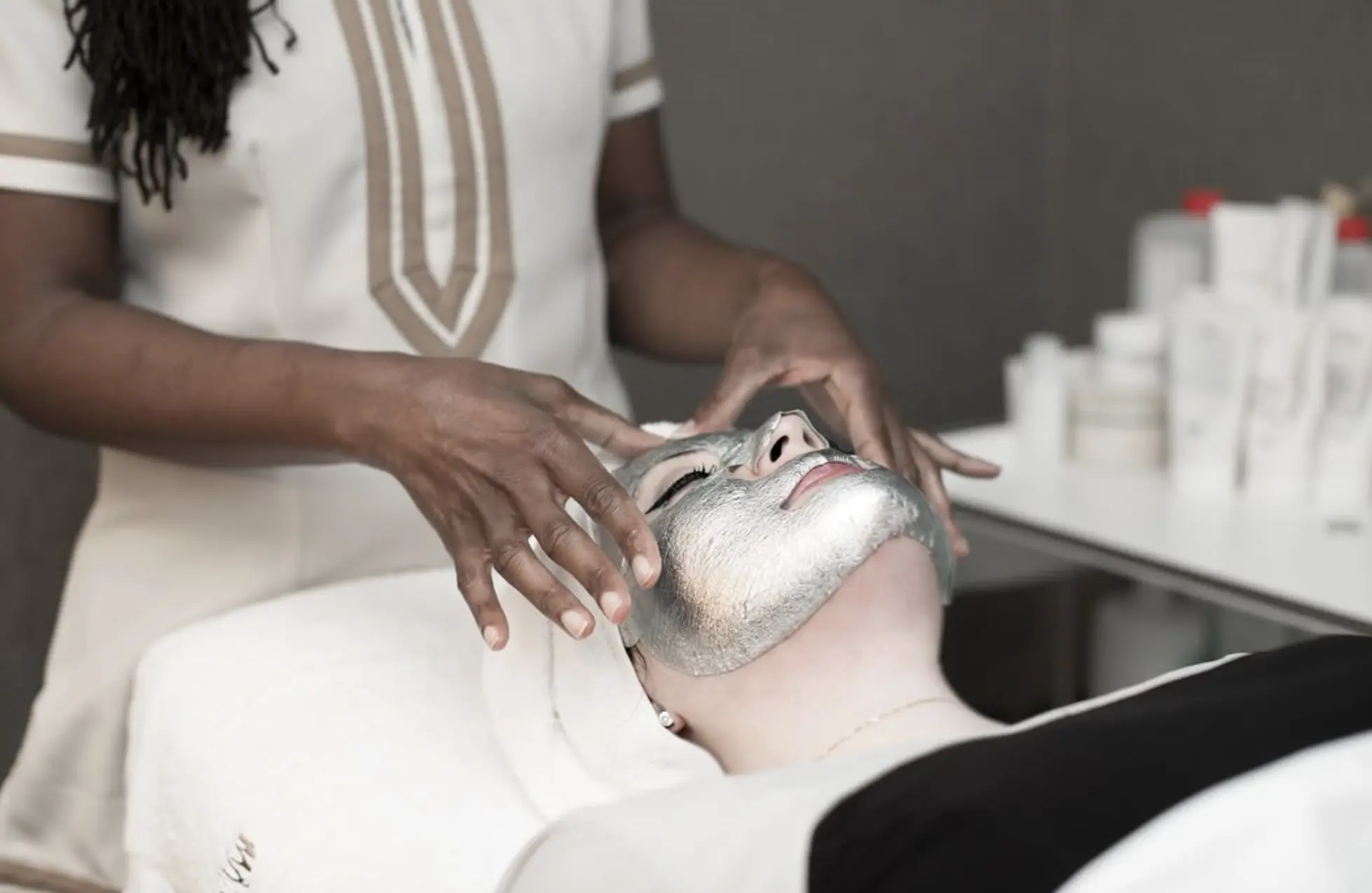
Far too many of my clients have found themselves in a world of hurt because they over-exfoliated themselves with aggressive chemical peels or used glycolic acid and retinoids way too much. When that happens, we need to shift focus from removing dead skin to repairing the damage.
Using The Wrong Ingredients For Your Skin
Not every treatment works for everyone. Let me give you a few examples:
- If you have the kind of skin that’s constantly breaking out, you’ll probably be best off using salicylic acid.
- If you’re trying to get rid of dark spots or hyperpigmentation, vitamin B3 can be a real game-changer.
- If you have sensitive skin, avoid strong acids and opt for calming botanicals that won’t irritate it. That’s where a skin specialist comes in.
Poor Hygiene Practices
Let’s be real – it only takes a little bit of sloppy hygiene to mess up a facial treatment. If you don’t sanitise your tools, towels, and extraction equipment properly, you can end up with clusters of breakouts all over your face. And don’t even get me started on manual extractions – if the equipment isn’t spotless, you’re basically just asking for problems.

How Often Should You Get A Facial?
Your skin regenerates every 28 to 40 days, depending on your age and skin condition. If you want to see real, long-term results from a facial, you need to get them every 4 weeks. But if you’ve got some serious skin issues – like acne, pigmentation or sun damage – you might need to do things a little differently. I may recommend a structured skincare routine with shorter intervals between treatments to really get things back on track.
Some Real-Life Results From Our Clinic
Because I specialise in doing facials that are totally clean, vegan and gentle on your skin, I see some amazing results – no matter what kind of skin you’ve got. Here are a few examples:
- One client had totally wrecked their skin with too much glycolic acid, but with some gentle facials, we were able to get their barrier back in order in just six weeks.
- A FIFO worker with significant sun damage looked like a new person after we started using LED light therapy and hydrating masks.
- And a client who was battling hormonal acne ended up clearing up stubborn clogged pores just by getting regular deep cleansing and gentle manual extractions.
A Gentle Reflection & Invitation
Your skin deserves care that works with your biology, not against it. If you’re looking for some guidance on picking the right facial for your skin issues or concerns, why not just swing by The Facial Hub, and we’ll have a chat about it – I’m all ears.
FAQ
Can facials actually make my skin worse?
Yes, they can if you go about it wrong – for instance, using dodgy products or having an unclean treatment area can lead to breakouts. That said, as long as you obtain proper manual extraction and suitable active ingredients, you’re usually good.
How long will it take before I notice the difference?
Most people notice a brighter complexion and a bit more hydration right off the bat. But it’s usually a couple of weeks before you start to see the deeper stuff, like collagen production and a clearer complexion, really start to kick in.
I’m pregnant – are facials safe for me?
We work around that – our pregnancy-safe facials steer clear of chemical peels, harsh acids and certain essential oils. But things like hydrating masks and LED light are usually fine.
I’m worried about those fine lines and wrinkles – will a facial do any good?
Actually, yes, they can. Treatments such as LED light therapy, a good facial massage, an oxygen facial, or collagen-boosting ingredients can help soften those lines and give you a bit more elasticity.
One facial – will that really do the trick?
You’ll get a lovely glow from one trip to the salon, but if you want to really see some long-term improvements, you need to get in the habit of regular facials – ideally aligned with your own skin cycle.

Related Posts
What is laser tattoo removal?
Can you get a tattoo while on blood thinners