Can you get a tattoo while on blood thinners
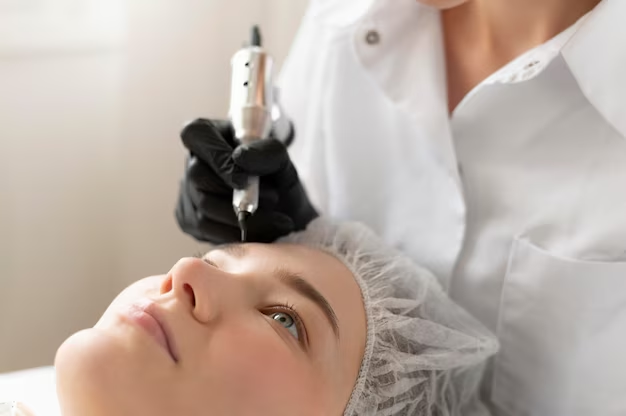
The simple answer to the question of whether you can get a tattoo while on blood thinners, often termed as “tattoos and blood thinners scenario”, is yes, but it is complex and not devoid of risks. The interaction between tattoo blood thinners and the tattooing process presents numerous complexities. In this write-up, we delve into understanding blood thinners, the tattooing process, and the risks involved in detail.
Understanding Blood Thinners
Purpose of Blood Thinners
Blood thinners, or anticoagulants, are medical mainstays. They’re typically prescribed to individuals susceptible to conditions like atrial fibrillation, deep vein thrombosis, or those who’ve had recent surgeries. Here are the primary roles they perform:
- Prevent – Blood thinners prevent an existing blood clot from enlarging.
- Formation – These drugs can obstruct new clot formations.
On a side note, while they’re termed ‘blood thinners’, these drugs do not actually thin the blood. Their role is to delay the body’s clotting process, thus prolonging the time taken for blood to clot.
The Impact on Blood Clotting
This ability to impede the clotting process might be useful in avoiding heart attacks and strokes, but it also poses some problems. The significant complication, apt to our discussion, is that the delayed clotting can lead to prolonged and excessive bleeding from any injuries or wounds. In layman’s terms, activities that cause skin injuries, like getting a tattoo, can potentially be riskier.
The Tattooing Process
Here, it’s worth noting that the intricacies of the tattooing process can vary depending on where you are getting it done. For instance, the process of cosmetic tattooing in Melbourne could be different from other places.
How Tattoos Are Applied
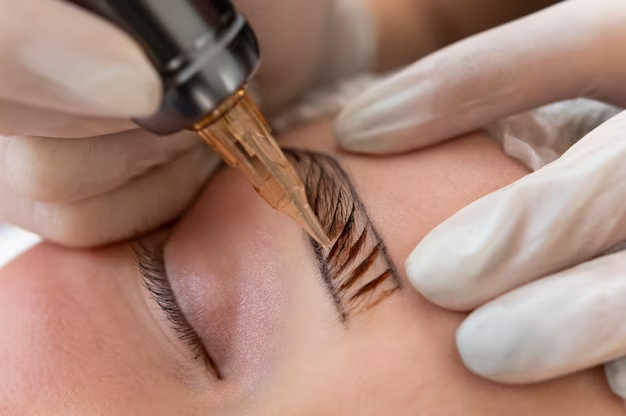
Tattooing is a procedure where ink is inserted with a needle into the second layer of skin, the dermis. An electronically powered machine that operates at high speed drives this needle, injecting the ink drops. Key points to remember here:
- Invasive process – Although it doesn’t go too deep under the skin, it is an invasive process creating a wound-like effect.
- Bleeding tendency – The piercing skin results in some bleeding, which, under normal circumstances, gets controlled by the blood clotting mechanism.
These basic principles highlight the potential issue during cosmetic tattooing in Brisbane or any other location when a person on blood thinners wants to get a tattoo.
| Tattoo Process | Impact on Individual on Blood Thinners |
|---|---|
| Invasive process | Increased risk of bleeding |
| Bleeding | Delayed clotting hence prolonged bleeding |
Healing Process of Tattoos
After the inking, the healing process ensues, involving three stages which can all be impacted by the use of blood thinners. These stages include:
- Initial Healing – This is the body’s immediate response to wounding. Immune cells flood the tattoo site, beginning the healing process and warding off possible infections.
- Intermediate Healing – Formation of new skin cells occurs and the tattoo area starts to firm up. Scabbing can occur at this stage.
While Panadol after a tattoo can aid in pain relief, it crucially doesn’t accelerate the healing process. Unfortunately, when an individual is on blood thinners, the extended bleeding can delay healing.
Risks and Implications of Tattoos While on Blood Thinners
Increased Risk of Bleeding
Since blood thinners delay the clotting process, the primary risk is increased bleeding. The standard bleeding associated with tattooing may continue for an extended period if you are on blood thinners, raising concerns for both the individual and the tattoo artist. Prolonged bleeding might also affect the quality of the tattoo, as the continuous flow can cause the freshly applied ink to bleed out, altering the intended design.
Potential for Hematoma
Excessive bleeding can result in the development of a hematoma. A hematoma is a localized collection of blood outside of the blood vessels, caused by a break in the wall of a blood vessel. In the context of tattoos and blood thinners, the needle’s repeated piercing can potentially cause such ruptures. The buildup of blood can cause swelling and pain around the tattoo, and if not treated promptly, could lead to complications.
Delays in Healing
As we’ve mentioned before, a person on blood thinners could experience a delay in the healing process after a tattoo. Due to extended bleeding, the initiation of the healing process could be delayed, which in turn might prolong the overall recovery time. In the worst-case scenario, an open wound for longer than necessary increases the risk of infection.
Guidelines to follow if deciding to tattoo while on blood thinners
Consultation with a Doctor
Before making a decision, it’s crucial to have a detailed discussion with your doctor. Their understanding of your health condition and the effects of your specific blood thinner is crucial in evaluating the potential risks. Some crucial topics to discuss include:
- The possibility of a temporary halt in medication before getting a tattoo.
- Potential alternatives to your current medication to limit the complications associated with bleeding.
It’s important to remember that no decision about your medication, temporary or otherwise, should be made without consulting your healthcare provider.
Select a Skilled Tattoo Artist
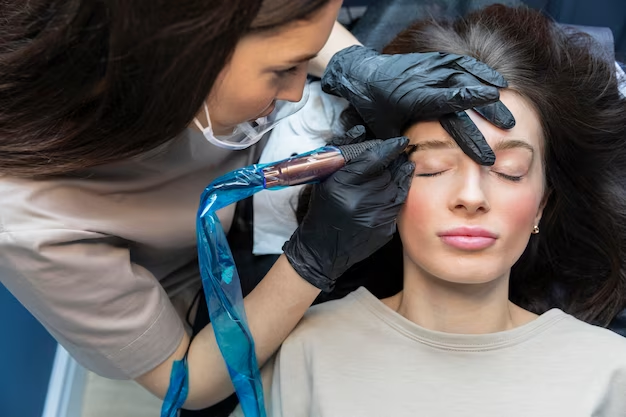
Choosing an experienced and skilled tattoo artist is paramount. They should be aware of your medical condition and the potential risks involved. It could be useful to ask potential artists about their experience with customers using blood thinners and discuss the proper color concentration and penetration depth to minimize bleeding.
Aftercare for the Tattoo
Aftercare becomes even more critical when you are on blood thinners. Following the guidance of your tattoo artist and healthcare provider will be crucial. Besides, practicing good hygiene and correctly cleaning the tattooed area can help prevent infection. Post-tattoo care should include:
- Regularly cleaning the tattoo with mild, non-alcoholic cleanser.
- Moisturizing the area with cream recommended by your tattoo artist.
- Keeping the tattoo protected from sunlight and avoiding soaking in water.
It might be beneficial to use Panadol after the tattoo to manage pain, but ensure to consult your doctor beforehand.
Overall
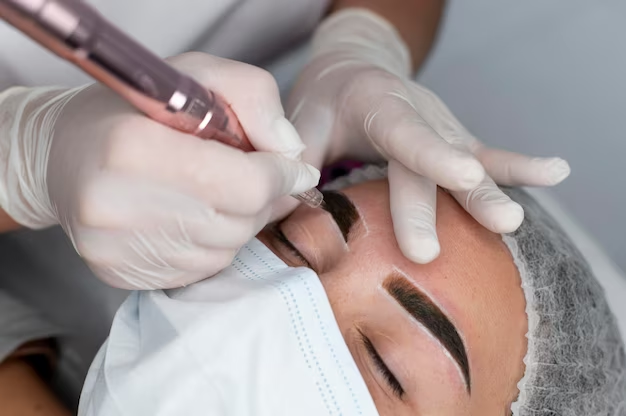
While getting a tattoo while on blood thinners is not impossible, it requires careful consideration and preparation. It involves consulting your healthcare provider, selecting an experienced tattoo artist, and meticulously taking care of the post-tattoo healing. Ultimately, the key is to understand the potential risks and to take every possible measure to mitigate them.
FAQ
1. Can you get a tattoo while on blood thinners?
Yes, you can. However, the increased risk of bleeding and delayed healing time mean that it should not be done impulsively.
2. How do blood thinners affect the tattooing process?
Blood thinners delay the clotting process, which can cause prolonged bleeding during and after the tattooing process. This can potentially affect the quality and healing of the tattoo.
3. Can I temporarily stop taking my blood thinners to get a tattoo?
You should never stop taking your medication without consulting your doctor. Your doctor can provide advice tailored to your health condition.
4. How can I ensure safe tattooing while on blood thinners?
Safety in this situation can be ensured through a consultation with your doctor, choosing a skilled tattoo artist familiar with your condition, and through diligent aftercare.
5. Can I take Panadol after getting a tattoo?
Consult your healthcare provider. They would be able to provide qualified advice about potential drug interactions with blood thinners and whether Panadol is an appropriate choice for pain management.
If you are still in doubt about whether to take a blood thinner for lip tattooing or microblading, we still advise you to contact a cosmetic tattoo expert before taking any action.

Related Posts
Is Facial Good For The Face Or Not?
What is laser tattoo removal?