What is laser tattoo removal?
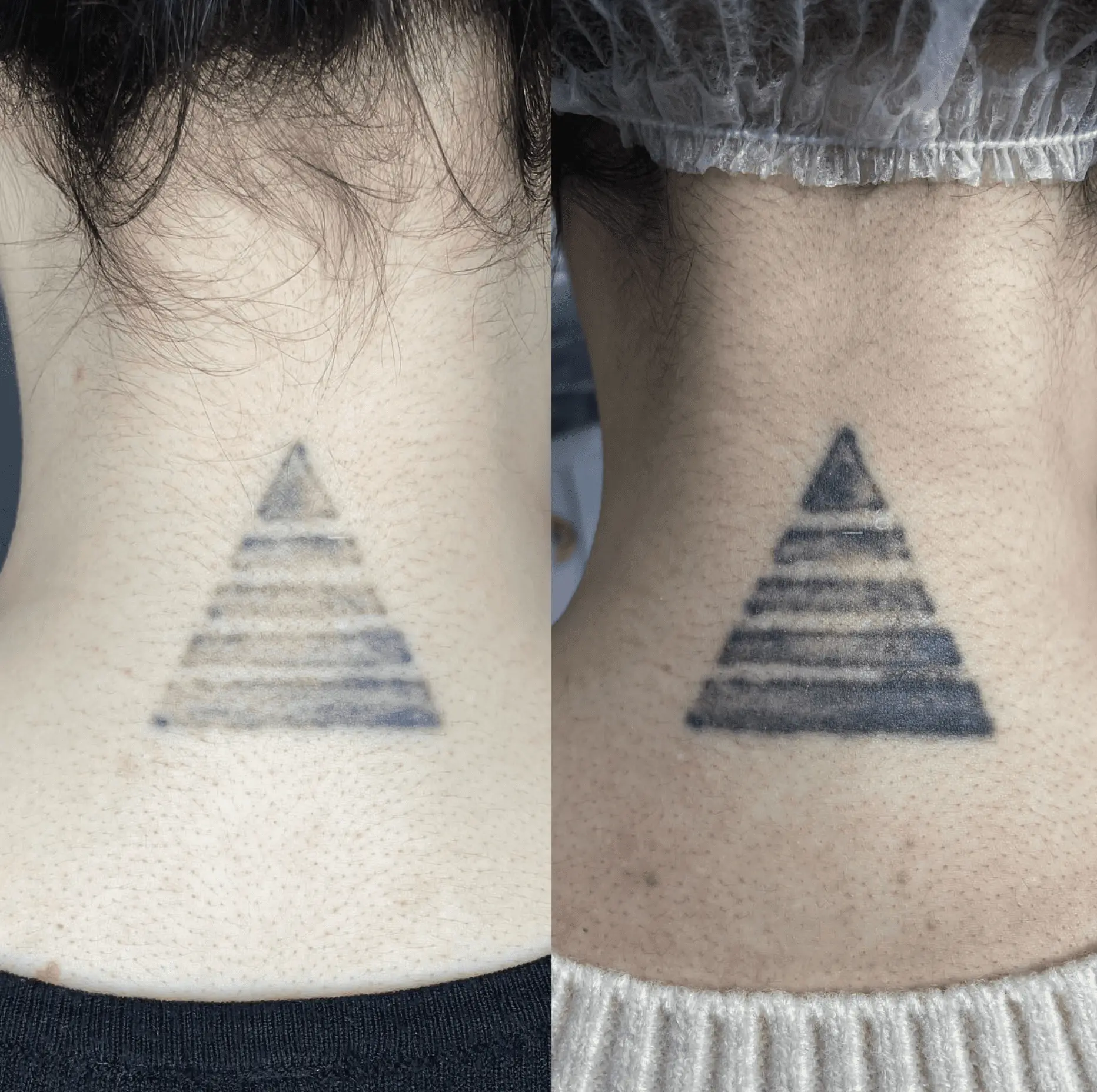
Laser removal is the most popular tattoo removal method. It uses laser beams to break the tattoo ink into fragments, which the body then naturally removes. The number of sessions required varies depending on the characteristics of the tattoo, such as size, ink type, and colour. Although highly effective, a complete removal is not guaranteed for all tattoos, especially those with multi-coloured ink or deep application.
Types of lasers used in tattoo removal
Various lasers are used for tattoo removal, each with pros and cons.
- Q-switched lasers are common and effective on dark inks but less so on light-coloured tattoos.
- Picosecond lasers use shorter light bursts for efficient removal and reduced skin damage. Ideal for complex colours like blue and green.
- Alexandrite lasers work well on black and blue inks and are suitable for darker skin tones.
- Nd: YAG lasers can remove various inks and are particularly good for red, orange, and yellow.
- PicoWay lasers offer efficient removal across many inks and skin tones. Consult an experienced specialist to determine the best laser for your tattoo and skin type.
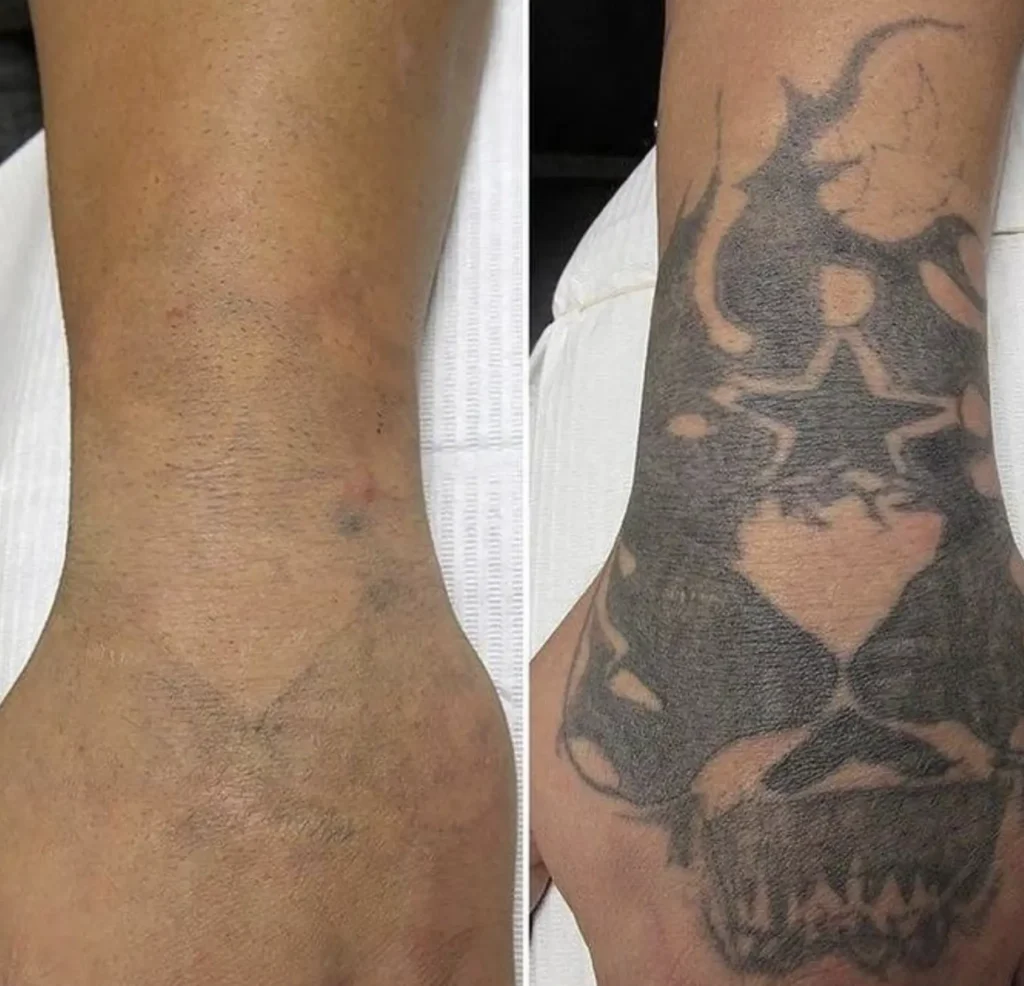

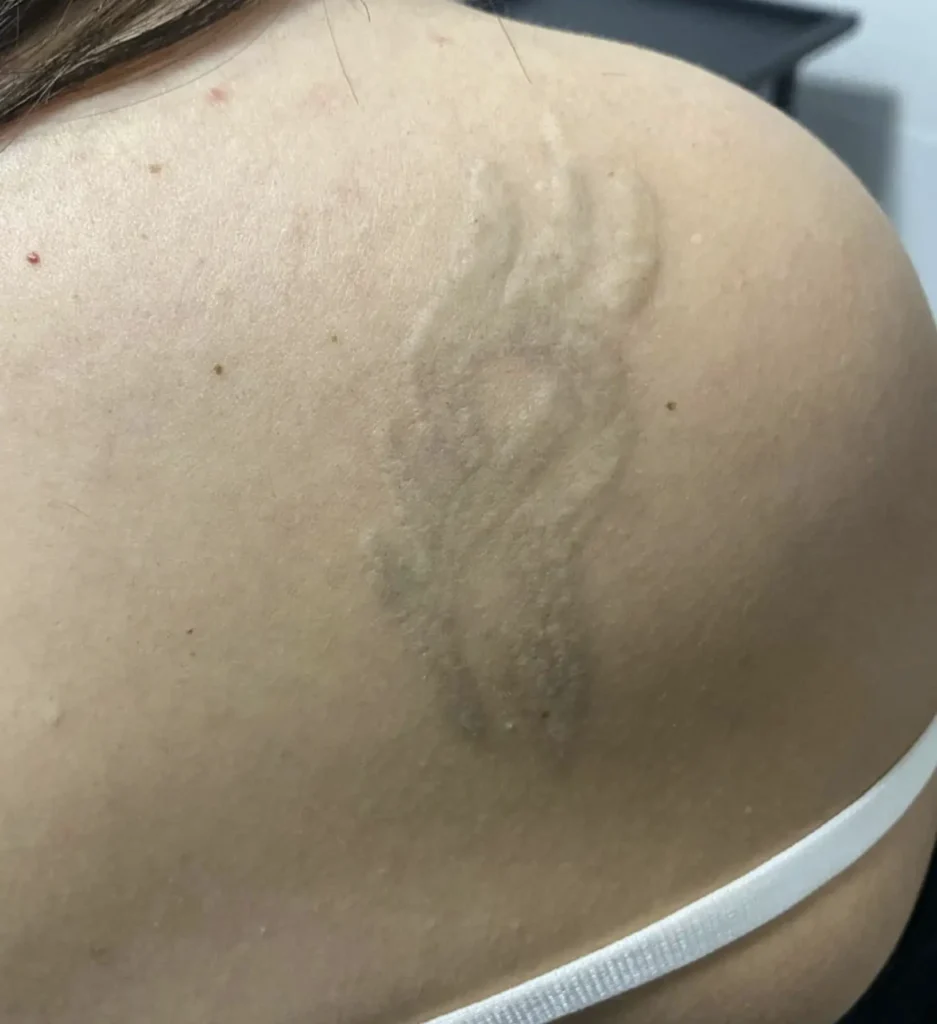
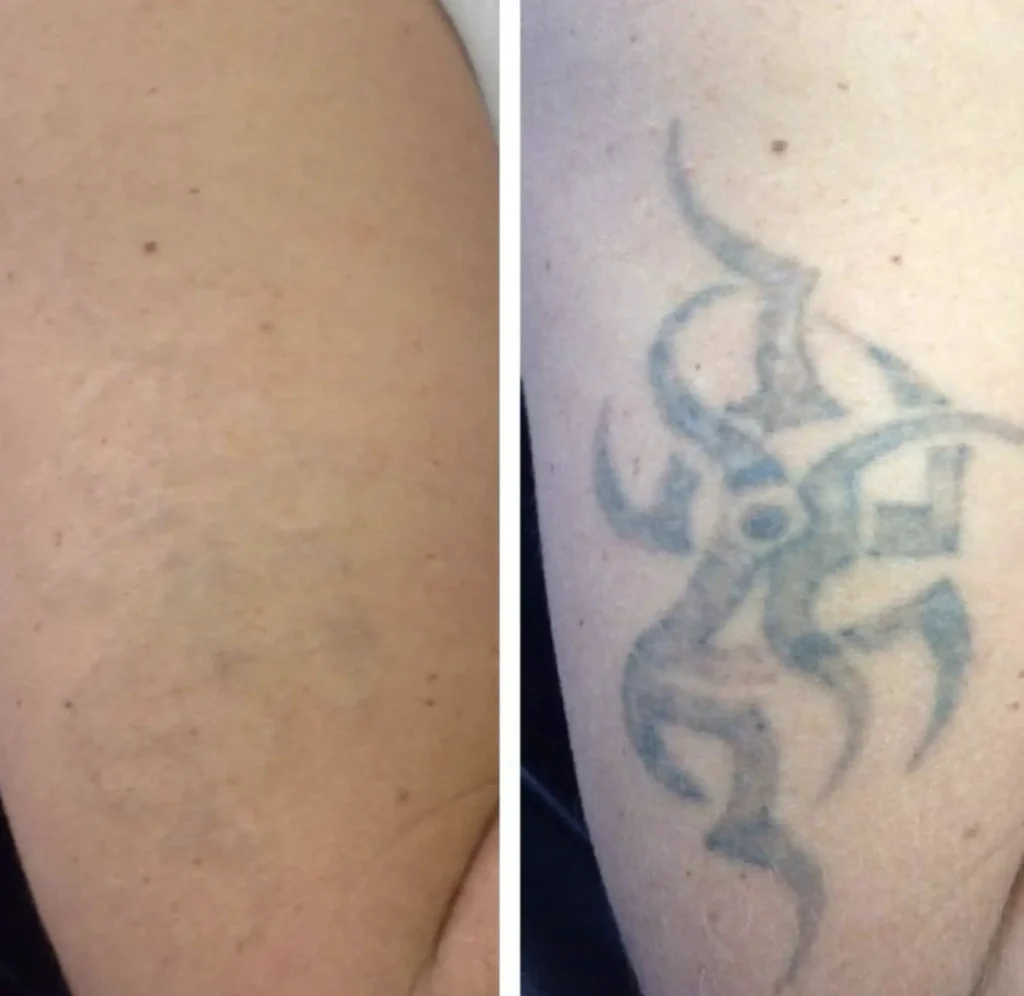



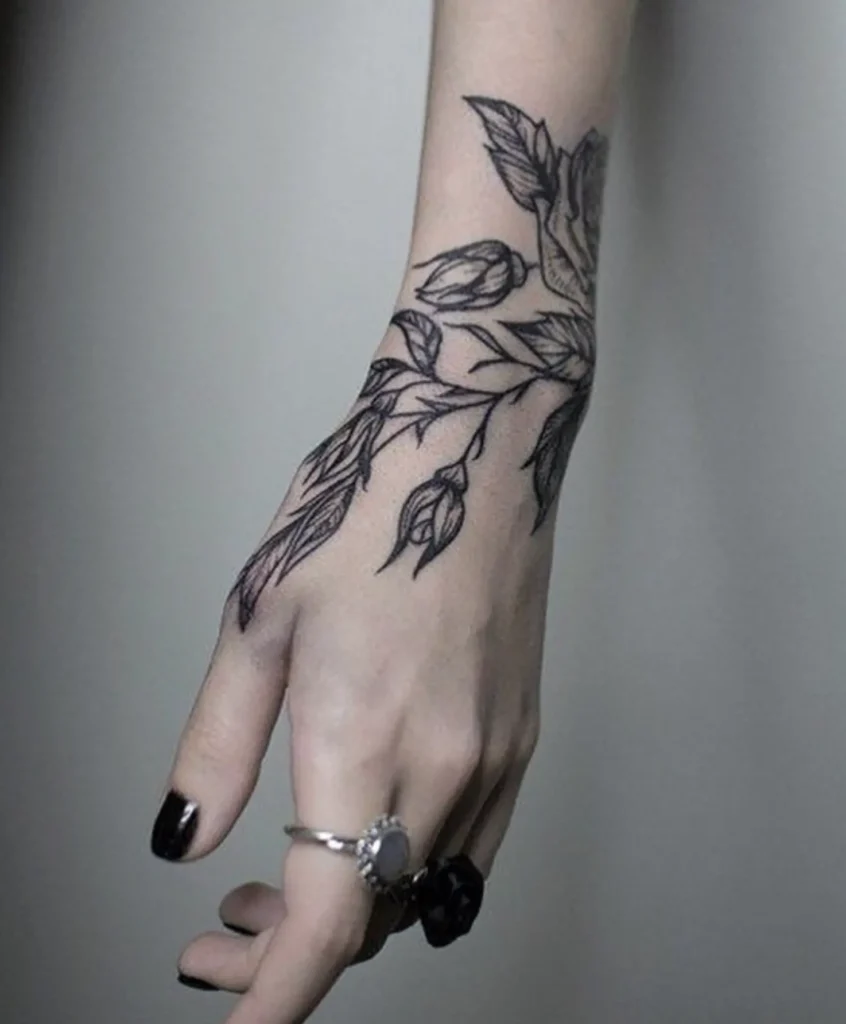
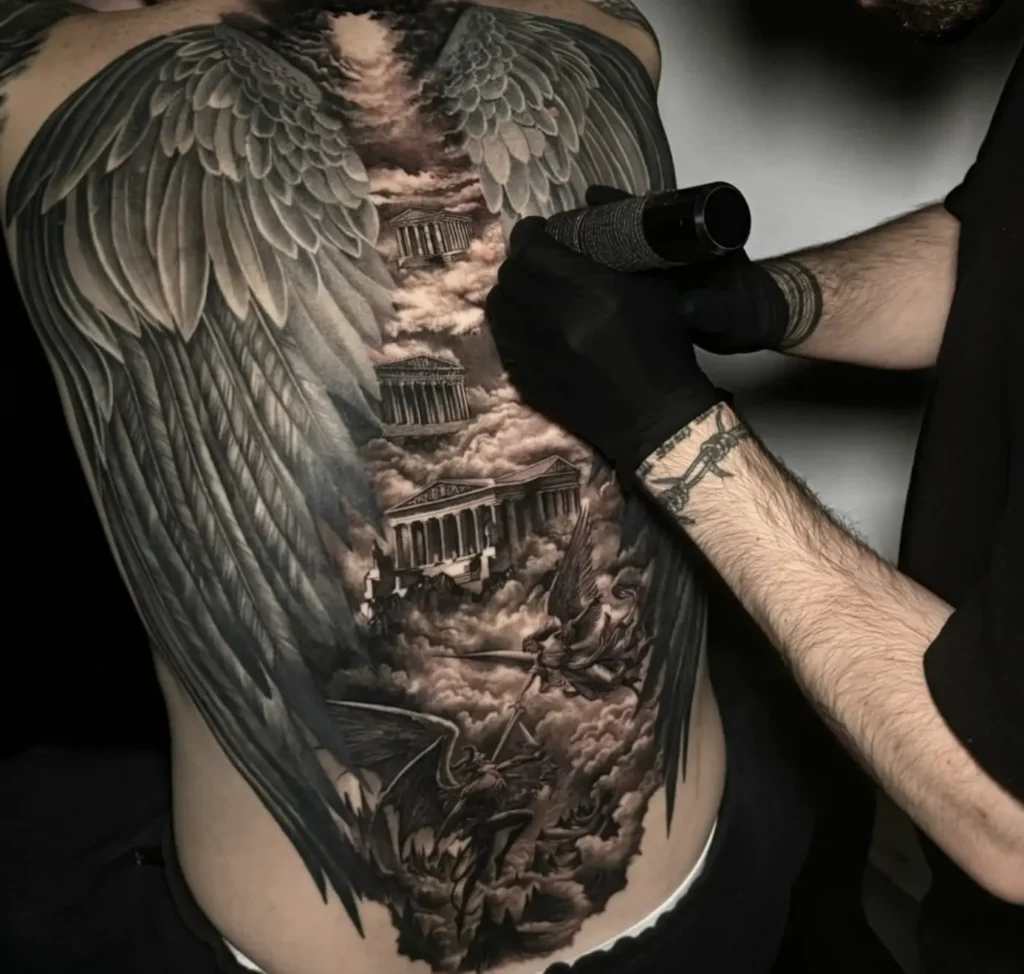
The PicoWay Laser For Tattoo Removal
The PicoWay laser offers several advantages. It can remove multiple ink colours and often requires fewer sessions than other lasers. The treatment also involves minimal downtime, making it convenient for busy individuals. The PicoWay laser can also use numbing cream to minimise discomfort. If you’re considering tattoo removal, consult a qualified technician to see if PicoWay fits you. However, the PicoWay laser might not remove the pink colour. In ordinary times, after the first session of eyebrow tattoo removal, the colour migrates to pink or red because it contains a lot of iron. In this case, Q-switched would be the best solution.
Skin Types And Suitability For Treatment
Tattoo laser removal effectiveness and safety vary with skin types. Using the wrong laser for your skin type can lead to side effects like scarring or hyperpigmentation.
Fair Skin: Fair skin has less melanin but responds well to laser tattoo removal. Suitable lasers include Q-switched, picosecond, and Alexandrite.
Normal Skin: With average melanin levels, this skin type is versatile for tattoo removal and cover-ups. Effective lasers are Q-switched, Alexandrite, and Nd: YAG.
Dark Skin: Higher melanin levels make traditional lasers less suitable, posing risks like burns. Nd:YAG lasers are safer for dark skin due to their longer wavelengths.
Darker Skin: These skin types are most prone to complications like hyperpigmentation. PicoWay and Nd:YAG lasers can be effective without causing skin damage.
Consult a tattoo removal specialist to assess your skin type and recommend the appropriate laser treatment for optimal results. The type, color, and pigment of the tattoo ink also affect the removal efficacy.
The process and treatment results
Laser tattoo removal employs high-intensity light to break down tattoo ink, allowing your body to eliminate it naturally. During the initial consultation, the technician assesses the tattoo, explains potential side effects, and estimates the number of sessions needed. The time for each session varies based on the tattoo’s complexity and size. Aftercare and treatment comfort vary by skin type.
Pre-treatment consultation and preparation
Prior to treatment, a consultation helps tailor the procedure to your tattoo and skin type. Honesty about medical conditions is vital as it affects laser settings. Preparing for treatment involves keeping the skin clean and avoiding sun exposure for two weeks. Hydration aids the body’s elimination process for better results.
Risks and side effects associated with tattoo removal treatments
Be mindful of risks, including blisters, pigment alterations, and scars. Those with darker skin may feel increased discomfort during the procedure. Clear communication with your technician helps manage any complications or adverse reactions.
Are there any contraindications
Contraindications like skin cancer, pregnancy, and certain medications such as Accutane can make you unsuitable for laser tattoo removal. It’s crucial to consult healthcare experts to assess your eligibility due to these significant considerations.
What is the laser tattoo removal price
Cost variables encompass tattoo size, location, and equipment used. Prices per session range between $200 and $500. Multiple visits are commonly needed, raising the total cost considerably. Many facilities offer financial plans to ease affordability.
FAQ
Can tattoo laser removal cause an allergic reaction?
While rare, some patients may have an allergic reaction to the treatment. Always discuss potential allergies with your clinician.
Can all tattoos be removed by laser?
While most tattoos can be significantly lightened, some may not be entirely removed due to the ink’s depth or colour.
What is the recovery time for tattoo laser removal?
The recovery time varies but generally involves several weeks of healing between treatment sessions.
How long does each treatment session take?
Treatment sessions typically last between 15-30 minutes but may vary depending on the tattoo’s size and complexity.
Is there any discomfort after the treatment?
After the treatment, there may be some redness, swelling, or minor pain, but these symptoms are usually temporary

Related Posts
Is Facial Good For The Face Or Not?

Can you get a tattoo while on blood thinners