How to dermaplane at home without breaking out

Dermaplaning, a popular and effective skincare practice, often performed in high-end salons and spas, can now be practiced at home. This article aims to reveal how often should I dermaplane at home and how to do it efficiently without the dreaded skin breakout. It provides a systematic approach, expert tips, and effective suggestions to guide you through the process. All you need is the right tool, a well-defined procedure, and some preventive measures.
Understanding Dermaplaning
What is Dermaplaning?
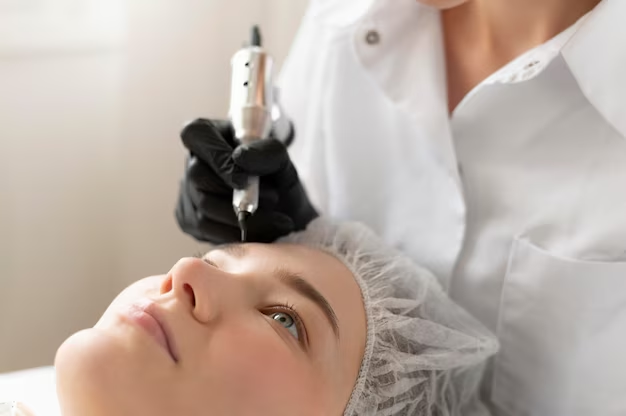
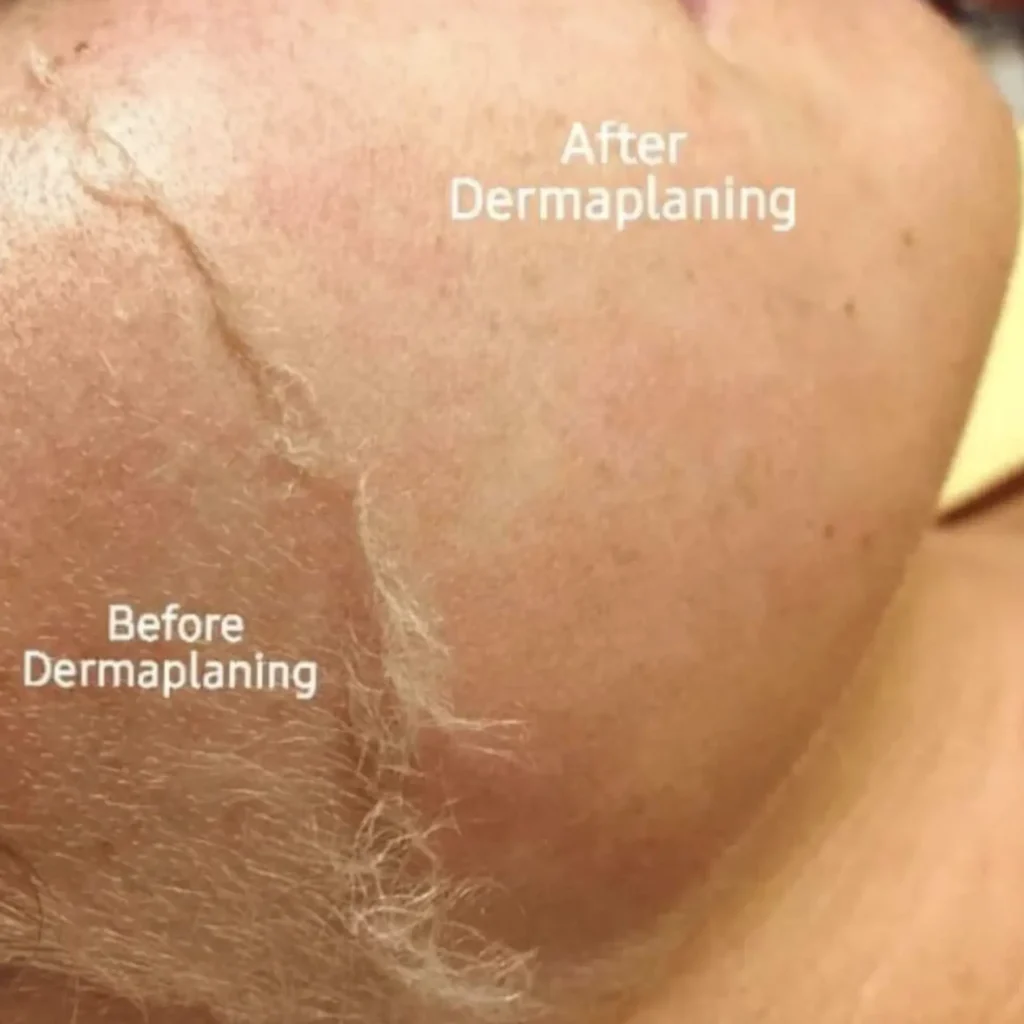
Dermaplaning is a cosmetic procedure that removes the top layers of your skin using an exfoliating blade. This process, also known as a dermaplaning facial, aims to remove dead skin cells, peach fuzz, and minimizes the appearance of fine lines, wrinkles, and acne scars, resulting in smoother, radiant skin. Performed correctly, dermaplaning can lead to a rejuvenating ‘glowy’ look.
Benefits of Dermaplaning
You might be wondering, is dermaplaning good for skin? Absolutely! The benefits of dermaplaning are abundant. This procedure not only removes the superficial dead skin layer but also results in multiple skin improvements.
- Facial Hair Removal: Dermaplaning effectively removes peach fuzz, which can trap excess dirt and oil.
- Exfoliates Dead Skin Cells: It helps in scraping off dead skin cells which can give your face a dull look.
- Smooth Skin Surface: By removing facial hair and dead skin cells, your face achieves a smoother texture.
- Enhances Other Skincare Treatments: Dermaplaning can also help in the better absorption of skincare products, providing an all-around boost to your skincare routine.
While these perks can be compelling, it’s also crucial to be aware of the potential risks and complications associated with dermaplaning, such as dermaplaning for acne-prone skin.
Risks and Complications of Dermaplaning
Skin Irritation and Redness
One of the potential side effects of dermaplaning is skin irritation and redness. While these effects are generally temporary, they can be discomforting. Although some people are more susceptible than others due to sensitive skin, everyone should be aware of this potential complication.

Acne Breakouts
Many might worry about acne breakout post-dermaplaning. While dermaplaning for acne does not directly cause new acne, improper technique or lack of post-treatment care can lead to breakouts. For individuals who are acne-prone, it’s especially pivotal to follow dermaplaning with adequate care to ward off potential breakouts.
In dermaplaning, one thing that can mitigate risks and complications is the tool you choose to use, which raises the question – what to use when dermaplaning?
How to Dermaplane at Home
Choosing the Right Tool
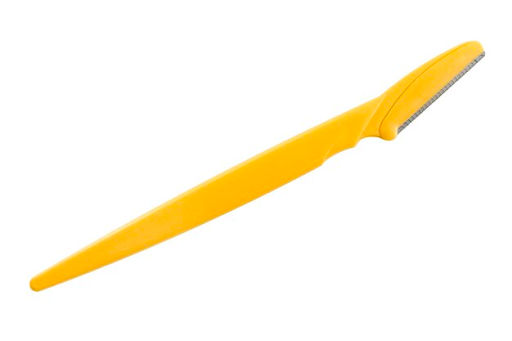
The primary tool for dermaplaning is a sharp, sterile blade. Answering the question of what to use when dermaplaning, safety and control are key when selecting a dermaplaning tool. There are several tools available in the market, each differing in design and functionality. Below is a table highlighting three recommended dermaplaning tools:
| Tools | Features |
|---|---|
| No.1 Dermaplaning Razor | Designed to reduce irritation, Perfectly angled for easy use, Replaceable blades |
| No.2 Precision Dermaplaning Tool | Simple Design, Affordable, Safe-to-use |
| No.3 Pro-level Dermaplaning Device | High-end, Advanced features, Replaceable blades |
Selecting from one of these tools, or others that align with their features, will set a solid foundation for effective and safe dermaplaning at home.
Steps to Dermaplane at Home
Dermaplaning requires a systematic approach. To ensure safety and maximise effectiveness, follow these seven steps diligently:
- Preparation: Start by cleansing your face with a gentle cleanser to remove dirt and oil.
- Position: Hold the dermaplaning tool at a 45-degree angle to your skin.
- Stroke: Make short, feathery strokes down your face, avoiding the eyebrow area.
- Pattern: Always dermaplane in the direction of hair growth, starting from the forehead and moving down.
- Caution: Be very careful around the sensitive under-eye area and do not run the blade over any active breakouts.
- Post-Dermaplaning: Cleanse your face again to remove any residual skin cells or peach fuzz.
- Moisturizer: Finish off by applying a hydrating moisturizer.
With the right tools and procedure in place, it’s equally crucial to follow adequate aftercare post-dermaplaning.

Aftercare Post-Dermaplaning
The aftercare following the procedure is crucial to avoid skin breakouts and maintain the benefits of the treatment. Keep your skin clean, moisturized, and avoid direct sunlight for a few days. Introducing a high SPF sunscreen in your daily skincare regime is highly recommended.
Regarding how often should I dermaplane, one can overdo dermaplaning, which is exfoliating. An excess of any exfoliation, even dermaplaning, can cause harm. Hence, it’s recommended to dermaplane every 3-4 weeks and not more frequently.
Tips to Prevent Breakouts Post-Dermaplaning
Keeping Your Skin Clean
After dermaplaning, your skin becomes more exposed and prone to environmental elements, hence, hygiene post-treatment needs an emphasis. Cleanliness begins with the entire process where everything that contacts the skin should be sterile, including the dermaplaning tool and your hands. Post-treatment, ensure you cleanse your face thoroughly, removing any residue left by the procedure. Moreover, avoid touching your face unnecessarily. Washing your pillowcases regularly is another overlooked yet important practice, as they can harbour bacteria that can cause breakouts.
Hydrating Your Skin
Hydration is essential for maintaining healthy skin, even more so after dermaplaning, as the moisture barrier of the skin can be compromised during the process. Use products that hydrate and moisturize your skin. Drinking plenty of water also keeps your skin naturally hydrated. Use water-based and non-comedogenic skin products to avoid oil-based breakouts. Remember, hydration even aids your skin to recover faster post-dermaplaning, giving you the desired radiance without the worry of breakouts.
Overall
Dermaplaning is a superb cosmetic practice that, when performed correctly and following appropriate aftercare, has several benefits. It is a skin-boosting treatment that enhances your skincare routine effectiveness and offers a quick skin refresh. So if you were wondering – ‘is dermaplaning suitable for my skin?’ YES, anyone can try out this skin treatment and enjoy a rejuvenating and uplifting skin surface. All you need is an initial gentle push, right knowledge (that now you have), and diligent aftercare.
FAQs
1. How often should I dermaplane?
It’s recommended to dermaplane every 3-4 weeks. Overdoing it may lead to skin irritation and damage.
2. What to use when dermaplaning?
Use a specialized dermaplaning tool that’s sterile and safe. Post-treatment, use a gentle cleanser and hydrating moisturizer.
3. Is dermaplaning good for skin?
Yes, dermaplaning helps in exfoliating dead skin cells, removing peach fuzz, and enhancing the effectiveness of other skincare products.
4. Can I try dermaplaning for acne?
While dermaplaning does not directly cause acne, those with acne-prone skin should be cautious. It’s advised not to dermaplane over active acne.
5. Can men also try dermaplaning facial?
Yes, men can also enjoy the benefits of a dermaplaning facial. However, men’s hair tends to be coarser, so there might be a slight resistance during the process.

Related Posts
Is Facial Good For The Face Or Not?
What is laser tattoo removal?