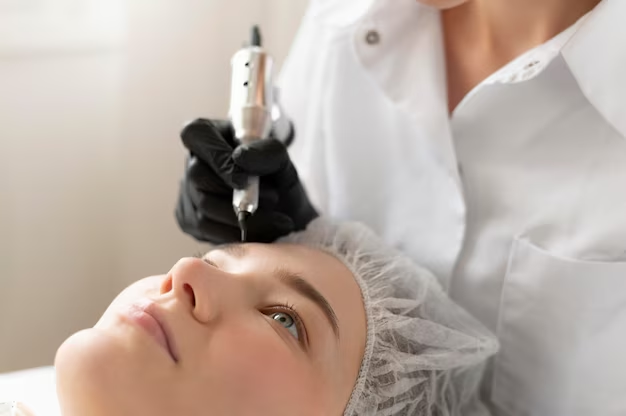
What is microdermabrasion good for
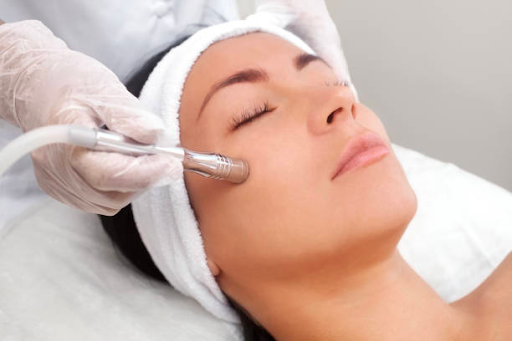
What is microdermabrasion good for?’ you may ask. Microdermabrasion is a non-invasive cosmetic procedure widely utilized in skincare as a way of revitalizing and refreshing skin’s outer layer. It’s known to be effective for diminishing signs of aging, improving texture and tone, and even improving the effectiveness of other skincare products. This article delves into the world of microdermabrasion, exploring what it’s good for, how it works, and if it’s the right choice for you.
Explaining Microdermabrasion
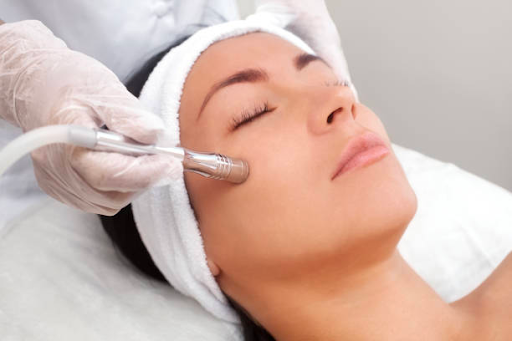
One query that typically arises is ‘microdermabrasion what is it?’ Simply put, microdermabrasion is a skin procedure that exfoliates, or sands off, the thick outer layer of the skin using a minimally abrasive instrument. This process stimulates the body’s repair mechanism, bringing fresh, younger-looking skin to the surface and dealing with various skin imperfections.
Before going into the specifics of this procedure, here are two very crucial concepts that will help better understand microdermabrasion:
- Epidermis: The outermost layer of the skin that forms the protective skin barrier.
- Dermis: The second layer of the skin, directly beneath the epidermis, mainly responsible for strength, flexibility and hosts important constituents like sweat glands and hair follicles.
Microdermabrasion majorly focuses on the ‘Epidermis’, by removing the dead skin cells and enhancing its health and appearance to unveil the microdermabrasion facial benefits.
Tracing the Origins of Microdermabrasion
Microdermabrasion’s origins can be traced back to Ancient Egypt, where physicians used a technique called dermabrasion that involved sanding the skin to diminish scars and imperfections. However, modern microdermabrasion, which is less invasive and recovery time is quicker than dermabrasion, only emerged in the 1980s. Since then, it has continuously gained popularity, evolving into the sophisticated treatment we know today.
Dissecting the Microdermabrasion Procedure
What Happens During a Microdermabrasion Session?
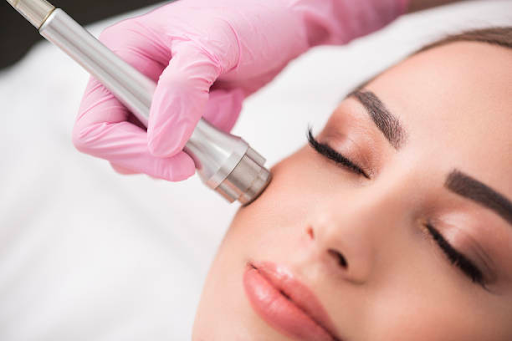
A typical microdermabrasion treatment falls under the 45-minute to one-hour window, making it a perfect lunchtime skincare regimen. To begin, the practitioner cleans your skin thoroughly. After applying a degreasing solution to ensure that the skin is grease-free, the microdermabrasion process officially begins.
This involves moving the handheld microdermabrasion device, attached to a machine, across the skin in swift, uniform strokes against the surface of your skin.
| Area of Treatment | Suggested Number of Strokes |
|---|---|
| Forehead | 2 – 3 |
| Cheeks | 2 – 3 |
| Chin | 2 |
| Nose | 1 – 2 |
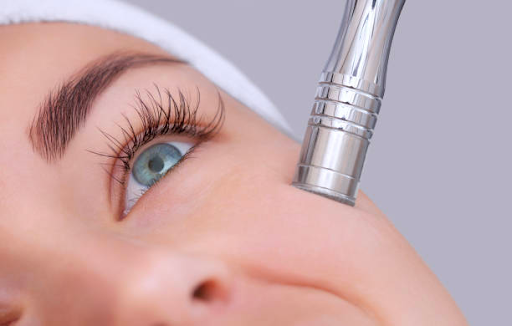
Each stroke of the device buffs away dead skin cells, thanks to the tiny abrasive particles or crystal-free, diamond tip it uses. Meanwhile, the machine’s vacuum system suctions these cells away.
Preparing for Your First Microdermabrasion
Getting ready for your first microdermabrasion session is typically straightforward but definitely important. Here are a few key recommendations:
- Maintain a gentle skincare routine for a week before the treatment. The session may feel slightly uncomfortable on sensitive skin, so it’s best to avoid harsh or abrasive products prior to the procedure.
- Avoid other skin procedures like waxing, chemical peels, or injectables for at least a week before your session to give your skin ample time to heal.
- Stay away from sun exposure and tanning beds for at least a week before the treatment to avoid potential inflammation or skin sensitivity issues.
In our upcoming sections, we will delve into topics like microdermabrasion for hyperpigmentation and many more skin conditions that are often a cause of distress.
These are just the introductory aspects of microdermabrasion. There’s more to understand about this procedure, including the numerous benefits, possible side effects, care after treatment, and much more. Stay tuned as we continue to explore further in the second half of this comprehensive guide to microdermabrasion.
Values and Virtues of Microdermabrasion
Immediate Benefits of Microdermabrasion
Microdermabrasion facial benefits are numerous and often become noticeable immediately after the exit from the treatment room. Here are a few key ones:
- Brighter complexion: With the removal of dead skin cells and impurities, your skin will likely appear brighter than previously.
- Smooth texture: The abrasive action of the microdermabrasion process helps to level out uneven textures, making your skin smoother to the touch.
- Enhanced skincare absorption: By removing the barrier of dead skin cells, your skincare products can penetrate more efficiently, improving their efficacy.
Long-term Advantages of Consistent Microdermabrasion
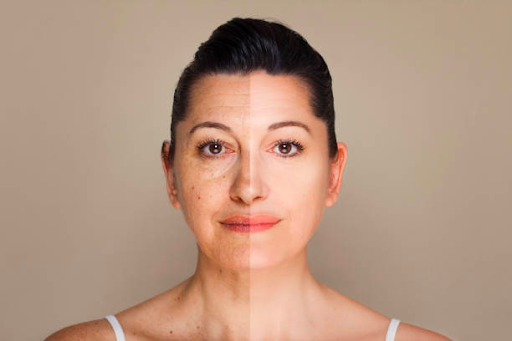
Consistent microdermabrasion sessions can lead to long-term improvements in addition to the immediate benefits. These include a reduction in the visibility of wrinkles and fine lines, improved skin elasticity, and reduced pore size. Additionally, microdermabrasion for hyperpigmentation can also yield good results over time, leading to a more even and harmonious skin tone.
Let’s Talk About Skin Types
Suitability of Different Skin Types for Microdermabrasion
One of the things that make microdermabrasion popular is its suitability for most skin types. Whether you have oily, dry, combination, or normal skin, you can benefit from this treatment. For instance, oily skin types can find improvements in the reduction of excess oil and minimization of enlarged pores.
Skin Conditions Improved by Microdermabrasion
Microdermabrasion is effective in tackling a wide array of skin conditions. These include:
- Hyperpigmentation: Microdermabrasion can help lighten dark spots and result in a more balanced skin tone.
- Aging signs: Wrinkles, fine lines, age spots, and sun damage can be significantly reduced by consistent microdermabrasion treatments.
- Acne and acne scars: By unclogging pores and polishing the surface, microdermabrasion can help reduce acne breakouts and lighten scars.
- Uneven skin tone and texture: Microdermabrasion can smooth out rough textures and uneven skin tone, leaving the skin surface smoother and more consistent.
The Cost and Commitment of Microdermabrasion
Microdermabrasion is considered affordable compared to other skin rejuvenation techniques. Costs can vary depending on the clinic and geographic location, but generally, it’s a commendable investment for your skin’s health and appearance. Therefore, it is worthwhile to consider your budget and the commitment it requires to maintain the microdermabrasion regimen for long-lasting benefits.
Possible Side Effects and Risks
Like any other skin treatment, microdermabrasion, too, has some potential side effects and risks. While it is generally safe, it is essential to ensure that it is performed by a licensed professional to minimize any potential risks. The most common side effects include temporary redness, dryness, slight skin sensitivity, and sun sensitivity.
DIY Microdermabrasion Vs. Clinic Sessions
The market offers a variety of DIY home kits and devices as alternatives to professional microdermabrasion. While they may seem tempting, it is important to remember that these home kits might not be as effective or as safe as going to a professional. Therefore, investing in pro sessions is usually the most recommended route for optimal results and minimized risks.
Peoples’ Take on Microdermabrasion: Testimonials and Reviews
Real people’s opinions and experiences can offer valuable insights into the effectiveness and usability of microdermabrasion. Being armed with knowledge from various sources, including personal testimonials, can surely bolster your decision whether to go for the treatment or not.
Concluding Thoughts: Is Microdermabrasion Right for You?
Everyone’s skin is unique and the decision to opt for microdermabrasion should be based on an understanding of your skin type, condition, and individual needs. Reaping the benefits of this tried and tested procedure could be the secret to uncovering your skin’s best health and appearance.
Five Unique FAQs About Microdermabrasion
Q1: Can microdermabrasion remove deep scars?
A: Microdermabrasion can reduce the appearance of superficial scars but may not completely remove deep scars.Q2: How often should I get microdermabrasion?
A: Depending on your skin type and condition, once a month is usually recommended for optimum results.Q3: How long is the recovery time after a microdermabrasion treatment?
A: Microdermabrasion is often referred to as a “lunchtime facial” because of its quick recovery time. Most people can go back to their normal activities immediately after the treatment.Q4: Can I do microdermabrasion if I have sensitive skin?
A: Yes, it is generally safe for all skin types. However, individuals with extremely sensitive skin should consult their skincare professional before proceeding with the treatment.Q5: Will microdermabrasion make my skin thinner?
A: Microdermabrasion only targets the outermost skin layer and does not thin the skin. Promoting collagen production, it can result in thicker, healthier skin over time.

Related Posts
Is Facial Good For The Face Or Not?
What is laser tattoo removal?