Best exfoliator for sensitive skin Dermatologist-recommended

Exfoliation—the process of sloughing away dead skin cells to reveal a fresher, smoother complexion—is a vital step in a comprehensive skincare routine. However, when it comes to sensitive skin, finding the right exfoliator can be a painstaking journey. People with sensitive skin often experience redness, irritation, or even breakouts if they use harsh products. This is why dermatologists recommend gentle exfoliators specifically formulated to minimize adverse reactions while still being effective. The main topic of this article revolves around identifying and using the best exfoliators that are both gentle and dermatologist-recommended for sensitive skin.
Understanding Exfoliation
For many, the benefits of exfoliation are numerous—it can brighten the skin, improve the effectiveness of topical treatments, and even help prevent acne. But for those with sensitive skin, exfoliation must strike a perfect balance. It’s about removing dead skin cells without disrupting the skin’s delicate moisture barrier which plays a crucial role in protecting the skin against irritants and environmental stressors.
Challenges of Sensitive Skin and Exfoliation
Sensitive skin demands an approach that is both delicate and strategic. You might question how frequently to exfoliate, which ingredients to look for, and which ones to avoid. Figuring out these specifics can help you steer clear of products that may cause inflammation or allergic reactions, which can be a frequent challenge for sensitive skin types.

The Importance of Choosing the Right Exfoliator
What Makes an Exfoliator Suitable for Sensitive Skin?
Sensitive skin flourishes under the care of exfoliators that possess non-abrasive, soothing properties. These products often contain ingredients that deliver gentle exfoliation without stripping away the skin’s natural oils. Hydrating and skin-replenishing ingredients are also critical, as they support the skin’s barrier hence reducing potential sensitivity and irritation.
Common Irritants to Avoid
For those with sensitive skin, certain ingredients are infamous for causing discomfort and are best avoided. Below is a list of common irritants found in some exfoliating products:
- Alcohol: Can cause drying and irritation, leading to a compromised skin barrier function.
- Synthetic Fragrances and Dyes: Often unnecessary, these can trigger allergic reactions and sensitivities.
- Coarse Physical Exfoliants: Large, irregular-shaped particles like nut shells can create microscopic tears, leading to increased sensitivity and irritation.
Dermatologist-Recommended Exfoliating Ingredients for Sensitive Skin
Gentle Physical Exfoliants
Dermatologists often suggest avoiding physical exfoliants with abrasive particles. However, some physical exfoliants are gentle enough for sensitive skin, including:
- Finely-milled oatmeal, which not only exfoliates but also soothes the skin.
- Jojoba beads, a biodegradable and soft option that provides a mild exfoliating effect.
These ingredients offer a safe way to mechanically remove dead skin cells without causing undue stress to sensitive complexions.
Chemical Exfoliants for Sensitive Skin
Chemical exfoliants are categorized into different types, depending on the active ingredient used and how they work on the skin. For sensitive skin, the following are generally recommended:
| Chemical Exfoliant | Benefits for Sensitive Skin |
|---|---|
| Alpha Hydroxy Acids (AHAs) | Moisturize and gently dissolve dead skin |
| Beta Hydroxy Acids (BHAs) | Deep clean pores while being anti-inflammatory |
| Polyhydroxy Acids (PHAs) | Offer gentle exfoliation with antioxidant properties |
Alpha Hydroxy Acids (AHAs)
Suitable AHAs for sensitive skin include:
- Lactic acid: Known for its mild nature and moisturizing properties.
- Mandelic acid: Larger molecular size means slower skin penetration and less irritation.
Beta Hydroxy Acids (BHAs)
Salicylic acid is the most common BHA, which can be too harsh for sensitive skin unless used in a low concentration and formulated with soothing ingredients.
Polyhydroxy Acids (PHAs)
PHAs like gluconolactone and lactobionic acid are excellent for sensitive skin due to their larger molecule size, which enables a gentler and more gradual exfoliation.
Enzymes as Exfoliants
Enzyme-based exfoliants, such as those derived from fruits like papaya and pineapple, offer a gentle substitute to acids. Enzymes work by breaking down the keratin protein in the outer layer of the skin, resulting in mild exfoliation that is typically well-tolerated by sensitive skin.
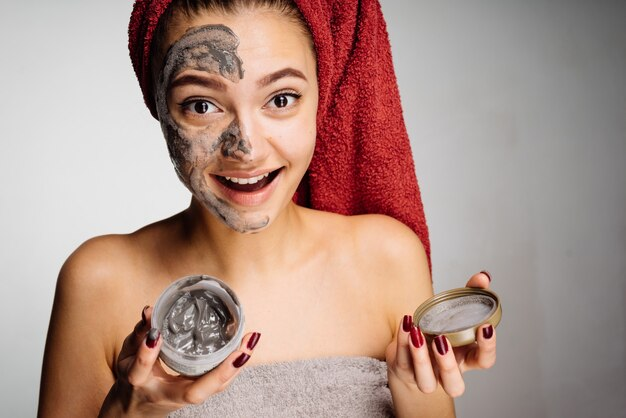
Top Dermatologist-Recommended Exfoliators for Sensitive Skin
Selecting the right exfoliator for sensitive skin can be daunting due to the plethora of options available. Dermatologist-recommended products typically prioritize gentleness and efficacy. Therefore, when scouting for the ideal exfoliator, it’s beneficial to consider dermatologists’ favorites that have a proven track record.
Product Reviews and Recommendations
In the realm of exfoliators suitable for sensitive skin, some dermatologist-favored products stand out. Here is a carefully curated selection:
- Cream-Based Exfoliators: These products have a thicker consistency and tend to be enriched with moisturizers, making them excellent for sensitive skin. Look for those with hydrating ingredients like hyaluronic acid and ceramides.
- Gel-Based Exfoliators: Gel exfoliators often provide a cooling effect, which can soothe irritation. Those containing non-abrasive exfoliating agents such as PHAs are particularly effective for gentle yet thorough exfoliation.
- Liquid Exfoliants: These exfoliators are typically mild enough to be applied with a cotton pad and can often double as a toner. Exfoliating liquids with concentrations of AHA or BHA under 2% are usually gentle enough for sensitive skin and can be used daily or a few times a week depending on the formulation.
As with any product, it’s wise to do a patch test before incorporating a new exfoliator into your routine. Additionally, always follow up with a sunscreen during the day, as exfoliation can make your skin more photosensitive.
How to Exfoliate Sensitive Skin Safely
Applying the proper technique and frequency of exfoliation can make all the difference for sensitive skin. It’s about accommodating the skin’s needs while allowing it to reap the benefits of exfoliation without causing damage or distress.
Step-by-Step Guide
When exfoliating sensitive skin, one should follow these steps to ensure safety and effectiveness:
- Begin by cleansing your face gently but thoroughly.
- Apply a small amount of your chosen exfoliator to damp skin.
- Use light, circular motions to massage the product over the skin if it’s a physical type; for chemical exfoliants, smooth over the skin without rubbing.
- Rinse with lukewarm water, as extreme temperatures can exacerbate skin sensitivity.
- Pat your skin dry with a soft towel – avoid rubbing, which can lead to irritation.
- Finish with a fragrance-free, sensitive-skin-friendly moisturizer to hydrate and protect the skin.
Frequency of Exfoliation
The number of times you should exfoliate per week varies, but sensitive skin generally benefits from less frequent exfoliation. Begin with once a week and observe how your skin responds, adjusting accordingly. Over-exfoliating can lead to more harm than good, so it’s valuable to listen to your skin’s cues.
Post-Exfoliation Care
After exfoliating, the skin can be more susceptible to dehydration and sensitivity. It’s essential to replenish moisture and reinforce the skin barrier. Use products that contain ingredients such as glycerin, squalane, and peptides, which aid in skin recovery. Additionally, as previously mentioned, sun protection is crucial—always apply a broad-spectrum SPF of 30 or higher.

Conclusion and Final Thoughts
Exfoliating sensitive skin need not be an ordeal fraught with irritation and setbacks. By choosing the correct products, following the proper application techniques, and being mindful of the skin’s natural protective barrier, even those with the most sensitive skin can enjoy the luminous, smooth skin that comes from a proper exfoliating regimen. It’s about educating yourself, finding the right balance for your skin, and consulting with a dermatologist when in doubt.
FAQs on Exfoliating Sensitive Skin
1. How often should people with sensitive skin exfoliate? People with sensitive skin should start by exfoliating once a week and adjust the frequency based on their skin’s response. Over-exfoliation can damage sensitive skin, so it’s crucial to proceed cautiously and listen to the skin.
2. Can you use a chemical exfoliant if you have sensitive skin? Yes, chemical exfoliants can be suitable for sensitive skin, provided they are formulated with lower concentrations of acids and include soothing ingredients. Look specifically for PHAs and mild AHAs like lactic and mandelic acid.
3. Are there any natural ingredients that work well for exfoliating sensitive skin? Yes, natural ingredients like finely-milled oatmeal, jojoba beads, and enzymes from fruits like papaya and pineapple can be excellent gentle exfoliants for sensitive skin.
4. Is it necessary to use a separate sunscreen after exfoliating? Absolutely. Sunscreen is essential after exfoliating since the process can make skin more vulnerable to UV damage. Always apply a broad-spectrum SPF of 30 or higher during the day.
5. What should you do if your skin reacts poorly to an exfoliator? If your skin reacts poorly to an exfoliator, stop using the product immediately and soothe your skin with cool compresses and gentle moisturizers. If irritation persists, consult with a dermatologist for guidance and potential treatment options.

Related Posts
Is Facial Good For The Face Or Not?
What is laser tattoo removal?