What happens if your heart rate is too high during exercise
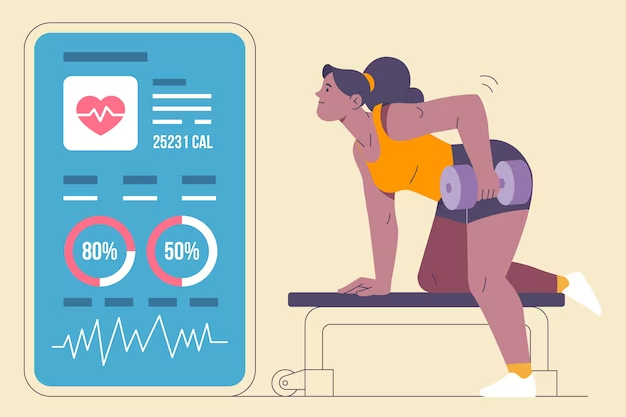
When it comes to exercising, achieving an optimal heart rate is crucial for reaping the desired fitness benefits while ensuring safety. But what happens if your heart rate climbs too high during a workout? Essentially, an overly elevated heart rate can lead to heightened stress on the cardiovascular system, potentially resulting in short-term issues such as dizziness or fatigue and, in extreme cases, could contribute to long-term health complications. The primary focus of this discussion is understanding the risks of an excessive heart rate during exercise, pinpointing the causes, and exploring the ways to manage and monitor heart rate effectively to ensure a safe and productive workout experience.

Understanding Heart Rate Zones
The concept of heart rate zones is fundamental to exercise science. Understanding these zones can guide individuals in achieving specific fitness goals while staying within safe physiological limits. Normally, heart rates are divided into different zones that each serve distinct purposes:
- Fat Burn Zone: Generally set at 50-70% of your maximum heart rate, this zone is where you burn a higher percentage of calories from fat.
- Cardio Zone: Usually at 70-85% of maximum, this zone enhances cardiovascular fitness and muscular endurance.
- Peak Zone: At 85-100% of your maximum heart rate, it’s pivotal for improving athletic performance.
For a clearer grasp, let’s look at resting and maximum heart rate measures. Resting heart rate is the number of beats per minute (bpm) when you’re at rest and is a measure of heart efficiency. Maximum heart rate, on the other hand, is the highest your pulse rate can get during intense physical exertion and is typically calculated by subtracting your age from 220.
| Heart Rate Zone | Percentage of Maximum Heart Rate | Benefits |
|---|---|---|
| Fat Burn | 50-70% | Higher fat calories burned |
| Cardio | 70-85% | Improved cardiovascular health |
| Peak | 85-100% | Enhanced athletic performance |
Effectively training within these zones involves gradually building stamina and cardiovascular capacity, avoiding the risks associated with an overly high heart rate during vigorous activities.
Risks of Excessive Heart Rate During Exercise
Participating in physical activity with a heart rate that exceeds your targeted maximum can impose serious health risks. Here, we will delve into the potential dangers and recognize the immediate and long-standing harm it might bring.
Short-term effects include:
- Rapid Fatigue: Depleting energy quickly resulting in a shorter and less effective workout.
- Dizziness and Nausea: Reduced blood flow can affect your balance and stomach.
- Palpitations and Chest Pain: Overwhelming the heart’s capacity can cause discomfort or pain.
Left unchecked, these acute symptoms could cascade into more severe medical issues like arrhythmias or even heart attacks, highlighting the imperative need for heart rate management.
Long-term health risks of consistently high exercise heart rates are less evident but can be just as severe. They may include:
- Irregular Heartbeat: Continual overexertion may prompt arrhythmias.
- Cardiovascular Strain: Chronic stress can lead to heart muscle damage.
- Higher Risk of Heart Conditions: Sustained exertion might increase the risk of heart disease.
Understanding and respecting heart rate zones not only amplifies the efficiency of your workout but it also acts as a preventive measure against the health hazards just highlighted.

Causes of Elevated Heart Rate During Exercise
Identifying the factors that contribute to a high heart rate will make it easier to manage and adjust workout plans to avoid reaching risk-inducing levels. A multitude of reasons could be behind an accelerated heartbeat; among them are lack of fitness and overexertion. New exercisers or those returning after a hiatus might find their heart rates spike quickly as the heart is a muscle that requires conditioning just like any other. On the flip side, pushing too hard in pursuit of faster results can also be guilty of sending heart rates soaring.
External factors are also to consider:
- Environmental Temperature: Exercising in hot weather increases heart rate as your body struggles to cool down.
- Dehydration: Insufficient water intake affects your heart’s efficiency.
- Medications: Certain drugs, notably stimulants, can impact your normal heart rate.
To mitigate these influences, training gradually and being aware of outside conditions and personal health status is pivotal. By recognizing the causes of a high heart rate, it becomes possible to craft a more thoughtful and safe workout regimen.
Managing and Monitoring Your Heart Rate
Maintaining control of your heart rate during exercise is as crucial as the workout itself. By employing certain techniques, you can influence your heart’s rhythm to align with your fitness goals while safeguarding your health. Pacing yourself is paramount. Instead of sprinting into high-intensity exercises, gradually increase the difficulty level. This approach helps your heart to adapt and prevents sudden spikes in heart rate.
Breathing exercises have shown tremendous success in heart rate control. Deep, rhythmic breathing increases oxygen uptake and helps calm the heart, particularly during strenuous activities. Techniques such as diaphragmatic breathing can be practiced even outside workout sessions to improve overall heart rate management.
Another powerful ally in the struggle to regulate your heart rate is the use of technology, with a plethora of heart rate monitors available in the market. These tools range from simple pulse-checking devices to advanced wearables that not only track heart rate but also analyze data and offer training insights. Understanding how to interpret this information is key to adjusting your workout on the fly and keeping your heart rate within the desired range.
- Popular Heart Rate Monitors:
- Chest strap monitors – known for high accuracy.
- Wristwatch-style monitors – convenient for everyday wear.
- Fitness tracker bands – blend of functionality and style.
- Understanding Data from Your Device:
- Real-time heart rate – informs you if you’re in the targeted zone.
- Average heart rate – shows the efficiency of your workout.
- Heart rate variability – can indicate recovery and stress levels.
By blending the human elements of understanding your own body with the technological support of heart rate monitors, you can create a symbiotic relationship that leads to smarter, safer, and more effective workouts.

When to Seek Medical Advice
An integral part of exercising responsibly is acknowledging when a situation may require professional medical evaluation. High heart rate alone might not be cause for immediate concern; however, there are specific symptoms during exercise that should prompt you to seek medical advice promptly.
- Sharp or sudden chest pain
- Excessive shortness of breath
- Feeling faint or actual fainting spells
- Unexplained wheezing or coughing
Moreover, consulting with healthcare professionals, notably for those with known heart problems or risk factors, is important before embarking on a new exercise regimen. Regular check-ups allow for a personalized understanding of what heart rate levels are appropriate and safe for you, and a healthcare provider could also offer advice on how to achieve fitness goals without compromising your heart.
Conclusion
In conclusion, understanding the importance of heart rate management during exercise is pivotal to both immediate performance and long-term health. With the right knowledge about heart rate zones, awareness of the dangers of an overly high heart rate, strategies for managing it, and recognizing when to seek medical advice, you can make empowered decisions for your cardiovascular health. Combining these elements not only maximizes the benefits of your workout but also minimizes the risks, ensuring a sustainable and enjoyable exercise routine.
FAQs
1. What is a normal heart rate range during exercise?
A normal heart rate range during exercise varies from person to person and depends on factors like age and fitness level. Generally, it’s recommended to exercise within 50-85% of your maximum heart rate, which can be estimated by subtracting your age from 220.
2. How can I quickly lower my heart rate if it’s too high?
To quickly lower a high heart rate during exercise, stop the activity and focus on deep, controlled breathing. Sitting down and hydrating can also help. If it doesn’t improve or if you experience severe symptoms, seek medical attention.
3. Can a high heart rate during exercise improve my fitness level?
Training at higher heart rates can improve cardiovascular fitness and endurance, but it should be done within safe limits and not at the expense of your health. Always listen to your body and consult with a professional to avoid overexertion.
4. Should I stop exercising if my heart rate is too high?
If your heart rate is higher than the target zone for your age and fitness level, and if you’re feeling any discomfort, it’s wise to pause your exercise. Let your heart rate come down to a safer level before resuming at a reduced intensity.
5. Can dehydration affect my heart rate during exercise?
Yes, dehydration can have a significant effect on your heart rate. It makes your heart work harder to pump blood through your body, leading to an increased heart rate. Ensure proper hydration before, during, and after exercise.

Related Posts

Is Facial Good For The Face Or Not?

What is laser tattoo removal?