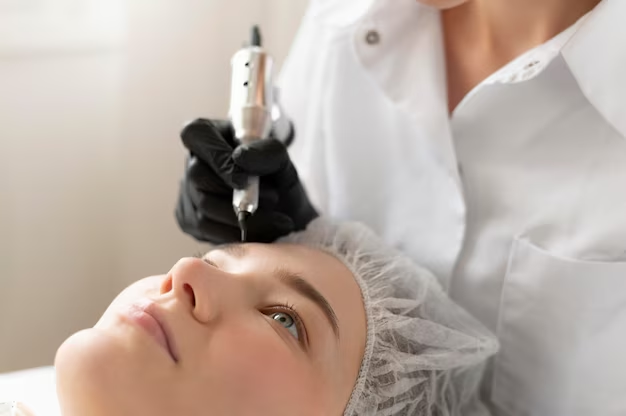
How to become a cosmetic injector without being a nurse

The realm of cosmetic injecting has opened up as a beckoning frontier for those passionate about beauty and wellness, yet, the common perception is that one must be a nurse to delve into this lucrative career. However, this is not exclusively the case. In truth, there are multiple avenues for non-nurses to become skilled, certified cosmetic injectors. This article is your guide to joining this growing industry without a nursing background, focusing on the varied pathways and the key steps to certification and practice.
Understanding Cosmetic Injecting
Cosmetic injecting is a skillful practice, embraced by the aesthetic community, that aims to enhance and rejuvenate one’s appearance without invasive surgery. It involves the use of injections to reduce wrinkles, restore volume, and modify facial contours. Let’s dissect this domain:
What is Cosmetic Injecting?
Holding its place at the forefront of non-surgical beauty enhancements, cosmetic injecting imparts immediate results with minimal downtime. The professionals in this field hold a deep understanding of facial anatomy, product knowledge, and the artistry required to deliver natural and desired outcomes to clients.
Types of Cosmetic Injections
- Botox Botox, or botulinum toxin, is renowned for its ability to relax muscles, thus smoothing out expression lines and wrinkles. It requires precise knowledge of muscle interactions and the ideal doses for each targeted area.
- Dermal Fillers Dermal fillers focus on volume restoration and the sculpting of facial features. They work by replenishing lost hyaluronic acid in the skin, a substance naturally present in youthful skin.
- Other Injectable Treatments This category encompasses a range of other treatments such as fat dissolvers and collagen stimulators that require similar meticulous techniques.
| Treatments | Main Ingredient | Purpose | Duration of Effect |
|---|---|---|---|
| Botox | Botulinum toxin | Wrinkle reduction | 3-6 months |
| Dermal Fillers | Hyaluronic acid | Volume restoration | 6-18 months |
| Fat Dissolvers | Deoxycholic acid | Fat reduction | Variable |
| Collagen Stimulators | Polylactic acid | Collagen production | Over 2 years |
Pathways to Becoming a Cosmetic Injector
As a non-nurse aiming to become a competent cosmetic injector, you’ll need to navigate a diverse landscape of educational prerequisites and certification programs.
Educational Requirements for Non-Nurses
While there’s no one-size-fits-all path, a foundational understanding of healthcare and skin science is critical. Prospective injectors often come from backgrounds that include, but are not limited to, estheticians, medical assistants, or even career changers with a strong educational emphasis on biology and health sciences.
Certification Programs for Non-Nurses
- Esthetician to Injector Estheticians, armed with a profound knowledge of skin care, can further their education in cosmetic injecting through specific certification programs. These often include in-depth courses on injection techniques and safety protocols, paving the path for estheticians to expand their expertise.
- Medical Assistant to Injector Medical assistants, acquainted with clinical environments, can leverage their experience into a cosmetic injecting career. Certification programs for medical assistants focus on bridging the gap between their existing knowledge and the specialized skills required for cosmetic injecting.
Legal and Regulatory Considerations
Before launching into the practical aspects of injecting, an aspirant must be well-versed with the legal requirements and implications.
Understanding the Legal Framework
The regulations governing cosmetic injectors vary significantly across regions, and it’s imperative to familiarize oneself with the specific laws in your area. The legal constraints will dictate the range of allowed practices, and adherence to these is non-negotiable for a safe and legitimate practice.
State Regulations and Scope of Practice
Each state defines the scope of practice for cosmetic injectors, including the type of supervision required, if any, for non-medical professionals. Aligning yourself with these rules will set the foundation for your future as an injector. To ensure compliance, a detailed overview of the laws by state would need to be consulted, which may include direct observation periods under a licensed medical professional, specific hands-on training requirements, or other locally mandated criteria.
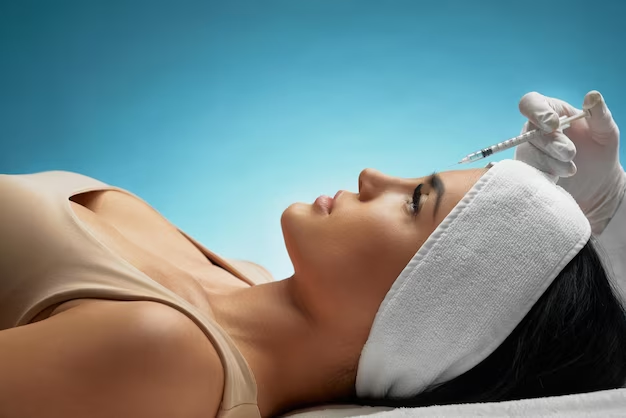
Gaining Experience and Expertise
Experience is the backbone of expertise in the field of cosmetic injecting, where precision and artistry play pivotal roles. It’s not enough to simply know the theory; one must embody the practical finesse that comes only with hands-on practice.
Workshops and Seminars
Opportunities abound for burgeoning injectors to refine their craft. Attending workshops and seminars offers an immersive environment to learn techniques from seasoned experts. Engaging in such educational gatherings allows for real-time feedback, networking with peers, and exposure to the latest industry trends.
Shadowing and Mentoring
Pairing up with an established cosmetic injector provides a unique glimpse into the day-to-day realities of the profession. Such mentorship can be invaluable in building confidence, learning firsthand patient interaction skills, and understanding operational aspects of the business, like managing client expectations and following safety protocols.
Continuing Education and Advanced Courses
The aesthetics field is dynamic, with frequent advancements in products and methods. Committing to lifelong learning through advanced courses ensures that you remain at the cutting edge of the industry. This not only refines your technique but also expands the services you can offer, thus enhancing your marketability and clientele base.
Launching Your Career in Cosmetic Injecting
With education and hands-on experience under your belt, the final leap is to establish yourself as a professional cosmetic injector and cultivate a successful career.
Building Your Brand and Reputation
Crafting a strong personal brand as a cosmetic injector is foundational. High-quality results, a strong online presence, consistent patient satisfaction, and leveraging patient testimonials can contribute to a burgeoning reputation. It’s also about identifying your unique selling proposition — what sets you apart from others in the field.
Networking and Professional Associations
Networking with other professionals and joining associations can dramatically boost your visibility and credibility. These platforms offer a wealth of resources, including opportunities for collaboration, access to exclusive job boards, and industry insights that can position you strategically within the market.
Marketing Strategies for Cosmetic Injectors
Implement targeted marketing strategies to attract and retain clients. Harnessing the power of social media, offering promotions, collaborating with local businesses, and educating the public about your services through content marketing can be effective tactics to build a strong client base.

Conclusion
Entering the world of cosmetic injecting without a nursing background is a venture that requires dedication, but it is entirely achievable. Through appropriate education, hands-on training, legal adherence, and strategic career development, one can rise to prominence in this field. Whether you’re transitioning from a related profession or starting anew, the journey to becoming a cosmetic injector can be both rewarding and fulfilling as you bring confidence and joy to clients seeking aesthetic enhancements.
FAQs
- Can I legally become a cosmetic injector without any prior medical training? Yes, depending on your state’s regulations, individuals without traditional medical backgrounds can become cosmetic injectors through approved certification courses and complying with state-specific legal requirements.
- How long does it take to become certified as a cosmetic injector? The time frame varies widely based on the program and individual commitment. Certification courses can range from a few days to several months, followed by additional mandatory hands-on training.
- What is the average cost of becoming a certified cosmetic injector? Costs vary depending on the institution, length, and depth of the program. Prices can range from a few thousand dollars for basic certification to significantly higher for comprehensive training and advanced courses.
- Are there ongoing educational requirements after becoming certified? Yes, like many professions within healthcare and aesthetics, cosmetic injectors are typically required to engage in continuing education to maintain certification and stay current with industry standards.
- What are the most important skills to develop for success in cosmetic injecting? Key skills include a deep understanding of facial anatomy, excellent hand-eye coordination, an artistic eye, strong interpersonal and consultation skills, and thorough knowledge of the products and procedures in aesthetic medicine.

Related Posts
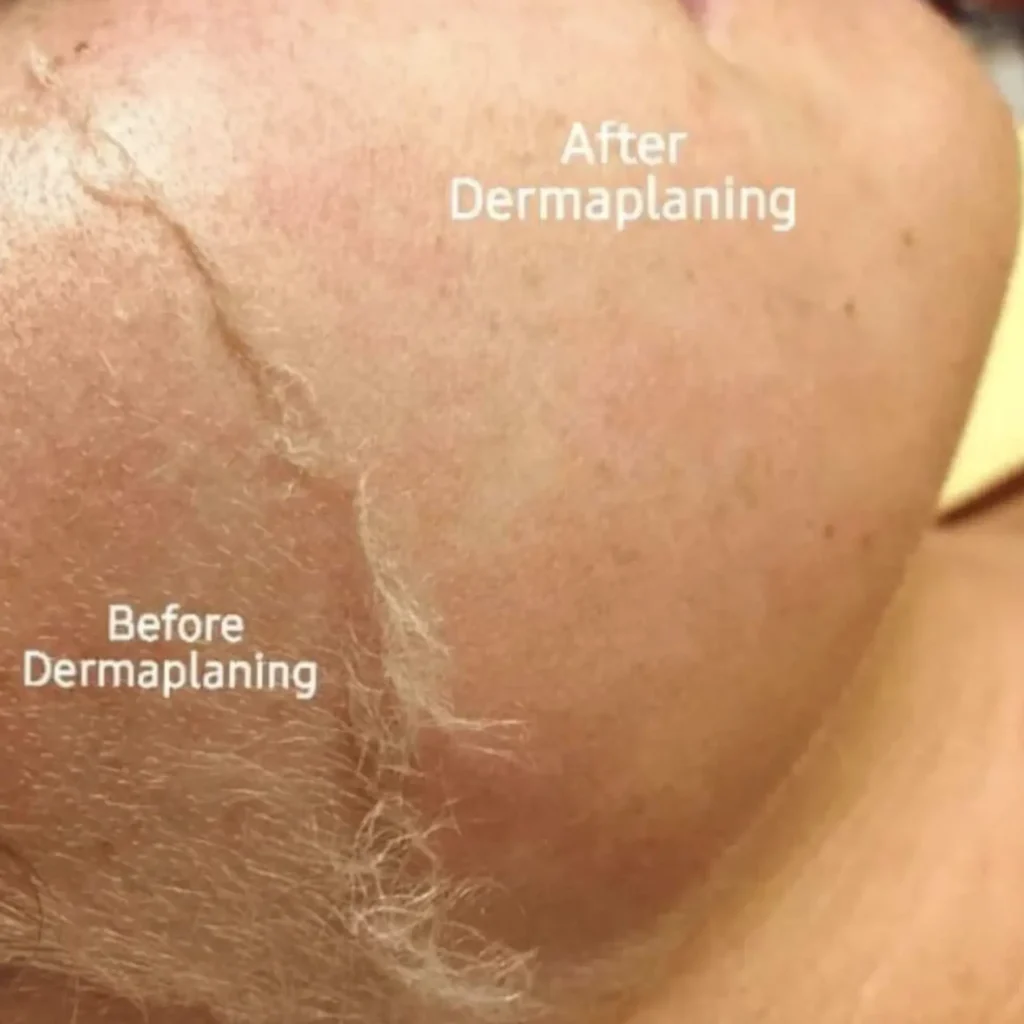
Is Facial Good For The Face Or Not?
What is laser tattoo removal?